Manimahesh Yatra 2025 – Dates, Route, Mythology & Travel Guide
You may begin the Yatra to meet Lord Shiva, but somewhere along the path — you meet yourself.
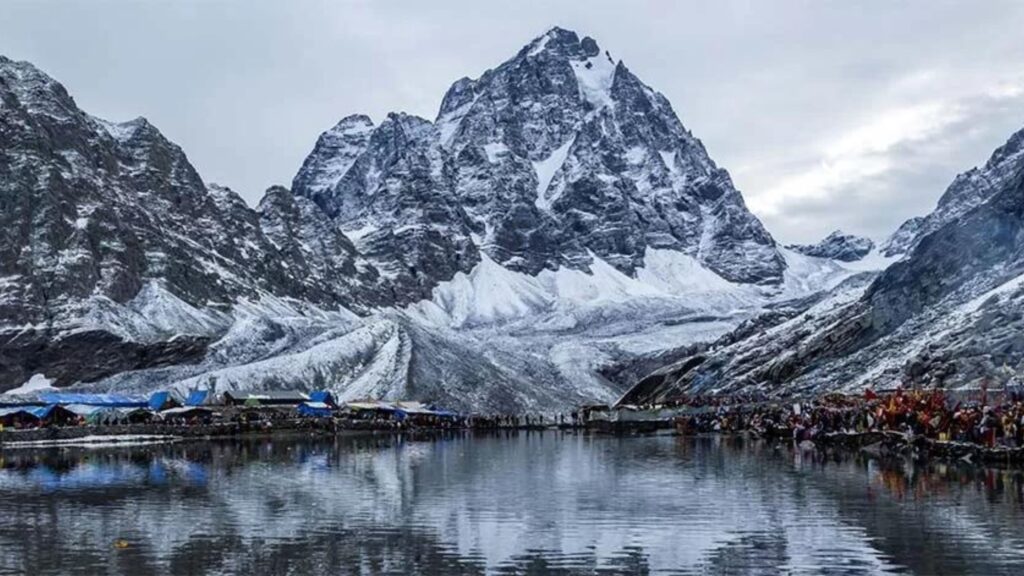
Tucked away in the mighty Pir Panjal range of Himachal Pradesh lies Manimahesh Lake, a glacial jewel shimmering under the shadow of Mount Kailash — not the Tibetan peak, but its sacred twin in India known as Chamba Kailash. At 13,500 feet, this mystical lake is more than just a high-altitude destination. It is the heart of one of the most spiritually powerful pilgrimages in Himachal — the Manimahesh Yatra.
Every year, thousands of pilgrims and adventure seekers undertake this Yatra during a narrow window in late summer, drawn by its religious importance, raw beauty, and the unshakable peace that comes from walking a divine path. This is not just a trek. It’s a test of will, a calling of the soul, and an ancient tradition woven into the lives of devotees for centuries.
The Religious Belief Behind the Yatra
According to Hindu mythology, Lord Shiva himself resides at the peak of Mount Kailash above Manimahesh Lake. It is believed that he performed penance here after marrying Goddess Parvati. The word “Manimahesh” means “the jewel (mani) of Lord Shiva”, and on clear full moon nights, locals say a divine glow — believed to be the shining jewel on Shiva’s crown — can be seen glimmering above the peak.
This is why the Manimahesh Yatra is not just a physical journey — it is a spiritual experience. Devotees believe that a dip in the sacred lake washes away sins, purifies the soul, and brings blessings and peace to one’s life.
When Should You Do the Yatra?
The Manimahesh Yatra officially begins on Krishna Janmashtami and concludes on Radha Ashtami — usually falling between August and September. This is the only period in the year when the snow clears enough to make the pilgrimage possible.
The most auspicious day is Radha Ashtami, when thousands of pilgrims reach the lake before sunrise and take a ritual dip in the freezing water as chants of “Har Har Mahadev” echo in the valley.
Pro Tip: Prepare in advance. Even in late summer, the temperatures near the lake can drop to sub-zero at night.
Where Does the Yatra Start?
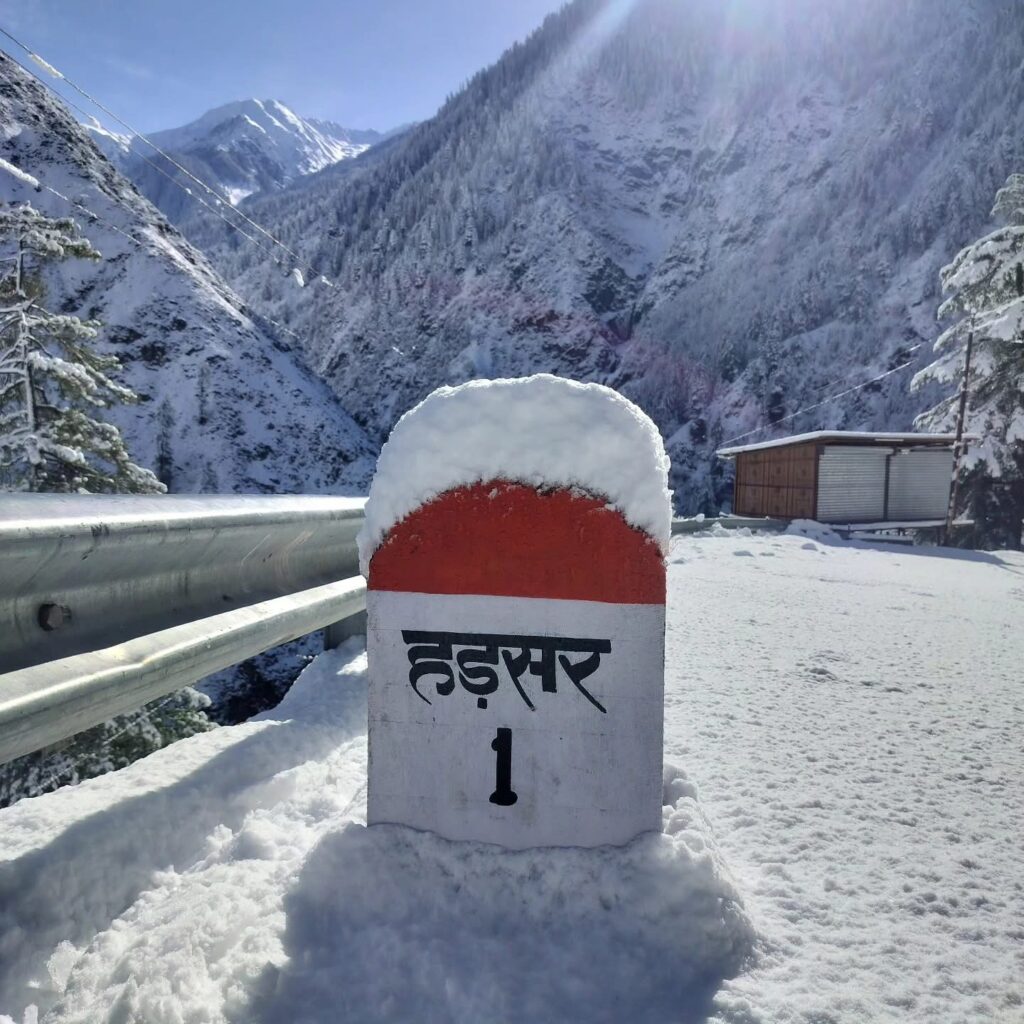
The most popular route begins from Hadsar village, around 13 km from Bharmour in the Chamba district of Himachal Pradesh.
Route Overview:
- Reach Bharmour (via Chamba)
- Drive to Hadsar (approx. 13 km)
- Trek from Hadsar to Manimahesh Lake – around 13 km uphill
(Can be done in 1–2 days depending on stamina and weather)
The trek includes halts at Dhancho, a scenic meadow where most pilgrims camp. The route, although steep and challenging, is blessed with waterfalls, alpine forests, and vibrant tents filled with food stalls and spiritual songs.
Porters, mules, and palanquins are available for elderly or unfit pilgrims.
Manimahesh Yatra Route – How to Reach
The yatra begins from Bharmour, located in the Chamba district of Himachal Pradesh. From there, pilgrims drive to Hadsar village, the base point for the 13 km trek to the lake.
Trekking Route:
- Pathankot → Chamba → Bharmour (by road)
- Bharmour → Hadsar (13 km by road)
- Hadsar → Dhancho → Gauri Kund → Manimahesh Lake (13 km trek)
The trek to Manimahesh Lake is moderately challenging and offers breathtaking views of glaciers, pine forests, waterfalls, and mountain peaks.
Who Should Do the Manimahesh Yatra (and Why)?
This pilgrimage is open to anyone with a strong heart and a faithful spirit. It’s ideal for:
- Spiritual seekers looking to connect with Lord Shiva
- Trek lovers craving an experience with deep meaning
- Devotees with unfulfilled wishes, hoping for blessings or healing
- Solo travelers seeking silence, reflection, or inner strength
While it’s not as globally known as Kedarnath or Amarnath, Manimahesh is quieter, rawer, and deeply personal. There’s no big temple, just the lake, the mountain, and your faith.
Benefits of the Yatra – Beyond the Physical
- Spiritual cleansing – A dip in the lake is said to purify karmas.
- Mental strength – The tough terrain teaches resilience, patience, and surrender.
- Physical challenge – The trek pushes your limits and revives your connection with nature.
- Emotional release – Many people experience deep peace and emotional healing.
- Cultural connection – You witness Himachali devotion, folklore, and pure mountain hospitality.
Things to Carry for the Yatra
- Warm clothing (even in summer)
- Trekking shoes with good grip
- Rain gear
- Personal medicines and first-aid
- Reusa
- blue water bottle
- Energy snacks/dry fruits
- Torch, power bank, and walking stick
A Yatra Unlike Any Other
The Manimahesh Yatra isn’t just about reaching a lake — it’s about reaching within yourself. It doesn’t offer luxury or comfort, but it gifts you something far deeper — a sense of connection to something ancient, pure, and powerful.
Whether you go to seek blessings, test your limits, or simply lose yourself in the Himalayas, one thing is sure:
You won’t come back the same.
Quick Facts About Manimahesh Yatra
- Sacred Peak: Manimahesh Kailash is believed to be Lord Shiva’s abode in Himachal Pradesh.
- High-Altitude Lake: Manimahesh Lake is at 13,500 ft in Chamba, surrounded by glaciers and peaks.
- Yatra Time: Held once a year between Krishna Janmashtami and Radha Ashtami (Aug–Sep).
- Challenging Weather: Be prepared for cold, rain, and altitude — especially near the lake.
- No Temple at the Top: Worship is offered directly to the lake and the peak, not in a built temple.
- Langars & Camps: Free food, health aid, and tents are provided during the yatra season.