
The Ultimate Mountain Camping Guide for Beginners (Complete Packing, Preparation & Safety Manual)
By Manu Adventures India
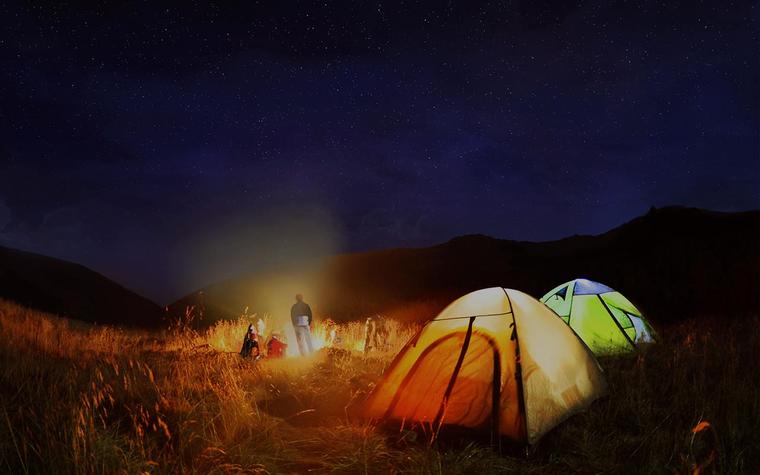
Mountain camping is not just a travel experience — it is a deep connection with nature, silence, stars, and self-discovery. Waking up to snow-capped peaks, breathing crisp mountain air, and sleeping under a sky full of stars is something every nature lover should experience at least once.
However, mountain camping is very different from city travel or casual picnics. Weather changes quickly, terrain can be demanding, and preparation plays a critical role in determining whether your trip becomes a lifetime memory or a difficult lesson.
This complete beginner’s guide to mountain camping is designed to help first-time campers understand what to pack, how to prepare, and how to stay safe while enjoying the magic of the mountains.
Why Mountain Camping Is Different From Normal Camping
Mountain environments are unpredictable. Even during summer, temperatures can drop sharply at night. Winds can rise suddenly, and weather conditions may change within minutes.
Unlike campsite camping near cities, mountain camping requires:
- Self-sufficiency
- Careful planning
- Physical and mental preparedness
- Respect for nature
The reward? Absolute peace, untouched landscapes, and a sense of achievement that no luxury hotel can match.
1. Planning Your First Mountain Camping Trip
Good planning is the foundation of a successful camping experience.
Choose the Right Destination
Beginners should always start with:
- Moderate altitude camps
- Easy to moderate trails
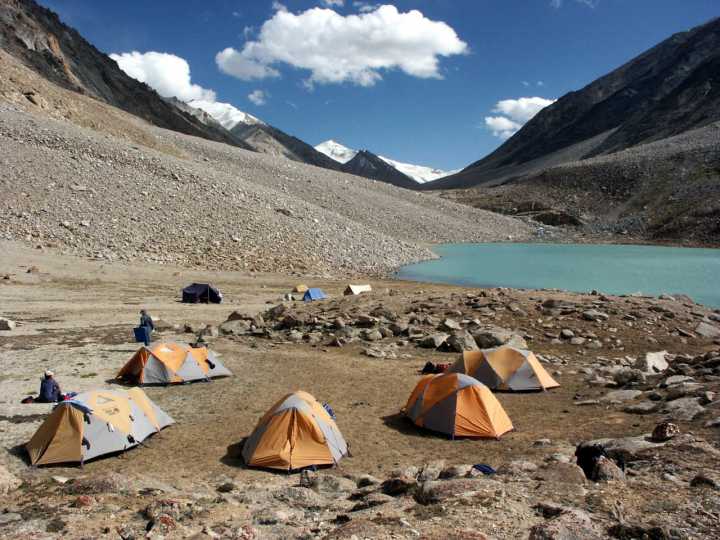
- Locations with known camping zones
- Regions where guided support is available
Avoid extremely remote or technical routes during your first experience.
Select the Right Season
The best seasons for beginners are:
- Late spring (April–June)
- Post-monsoon & autumn (September–October)
Avoid peak monsoon months and winter unless you have professional guidance and winter-specific equipment.
Duration Matters
For your first mountain camping trip:
- 1–2 nights is ideal
- Avoid long expeditions initially
- Focus on learning rather than covering distance
2. Essential Mountain Camping Gear Checklist
Packing the right gear is the difference between comfort and discomfort.
Shelter & Sleeping System
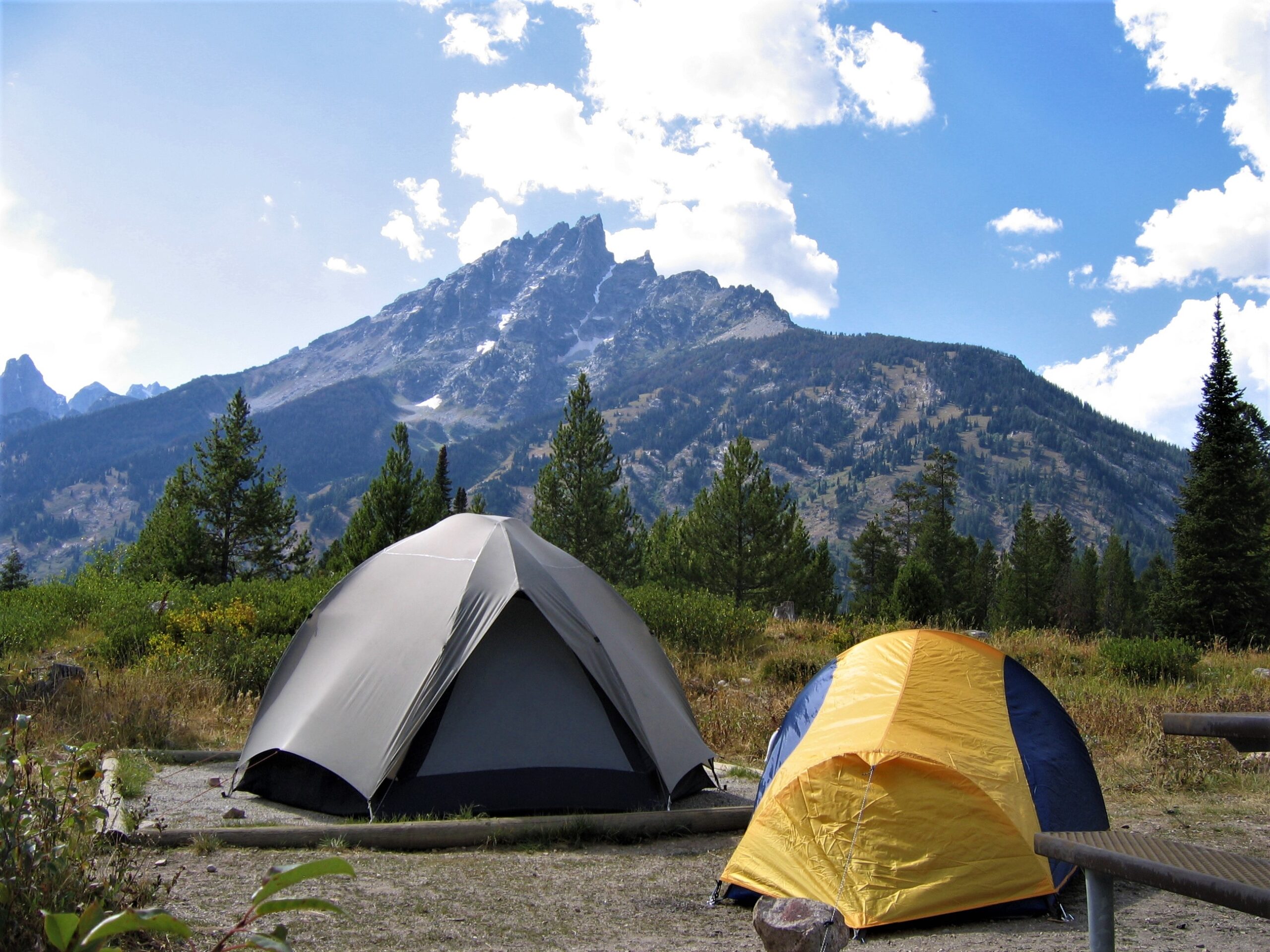
- High-quality mountain tent (preferably 3-season)
- Groundsheet or tent footprint
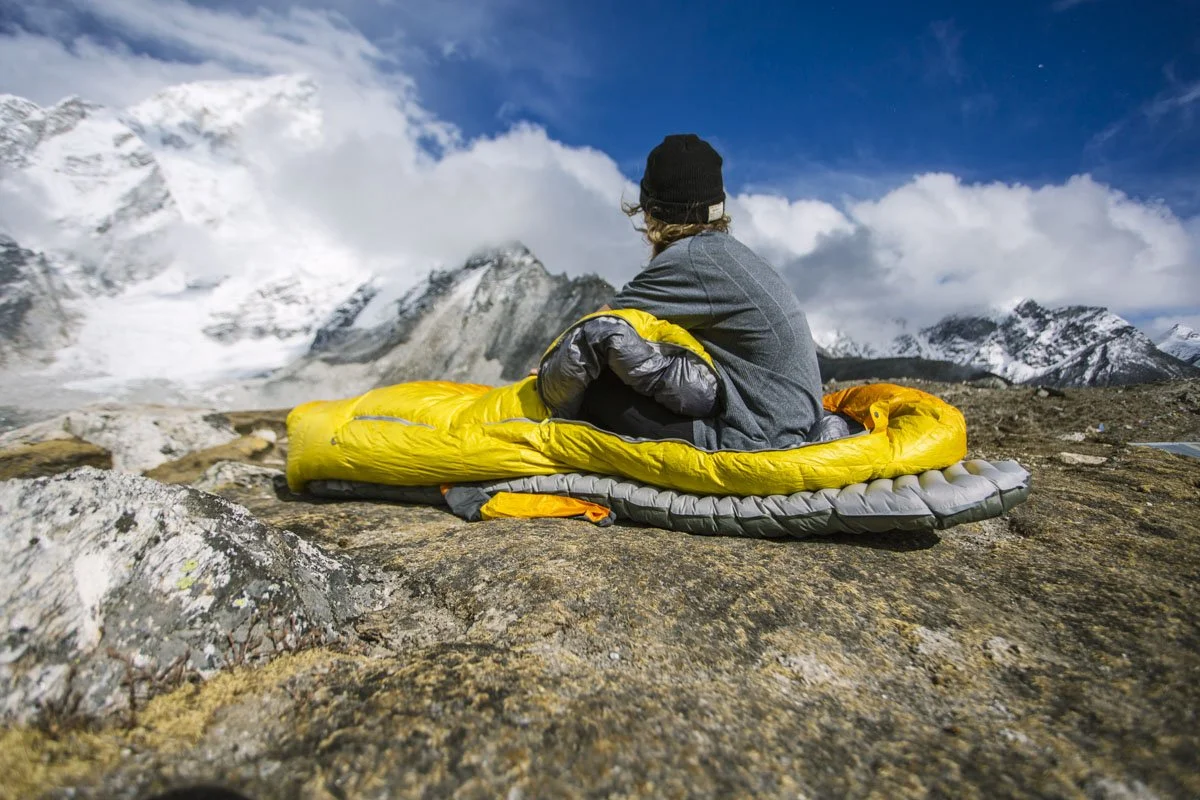
- Sleeping bag rated for low temperatures
- Sleeping pad or inflatable mattress (for insulation)
Tip: Cold comes from the ground first, not the air.
Clothing: The Layering System
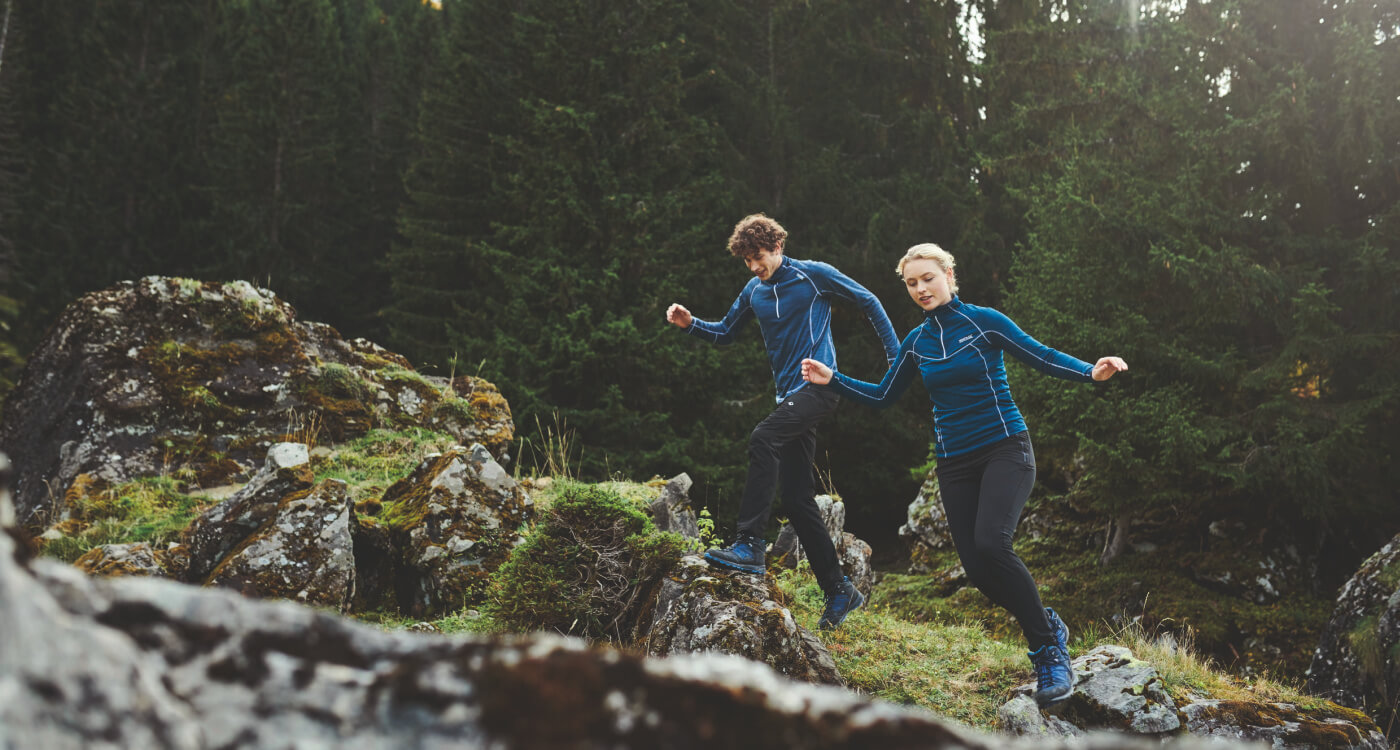
Always follow the three-layer rule:
- Base Layer – Thermal or moisture-wicking innerwear
- Mid Layer – Fleece or light down jacket
- Outer Layer – Windproof and waterproof jacket
Also pack:
- Warm socks (extra pairs)
- Gloves and woollen cap
- Comfortable trekking shoes
- Rainwear or poncho
3. Food & Cooking Essentials in the Mountains
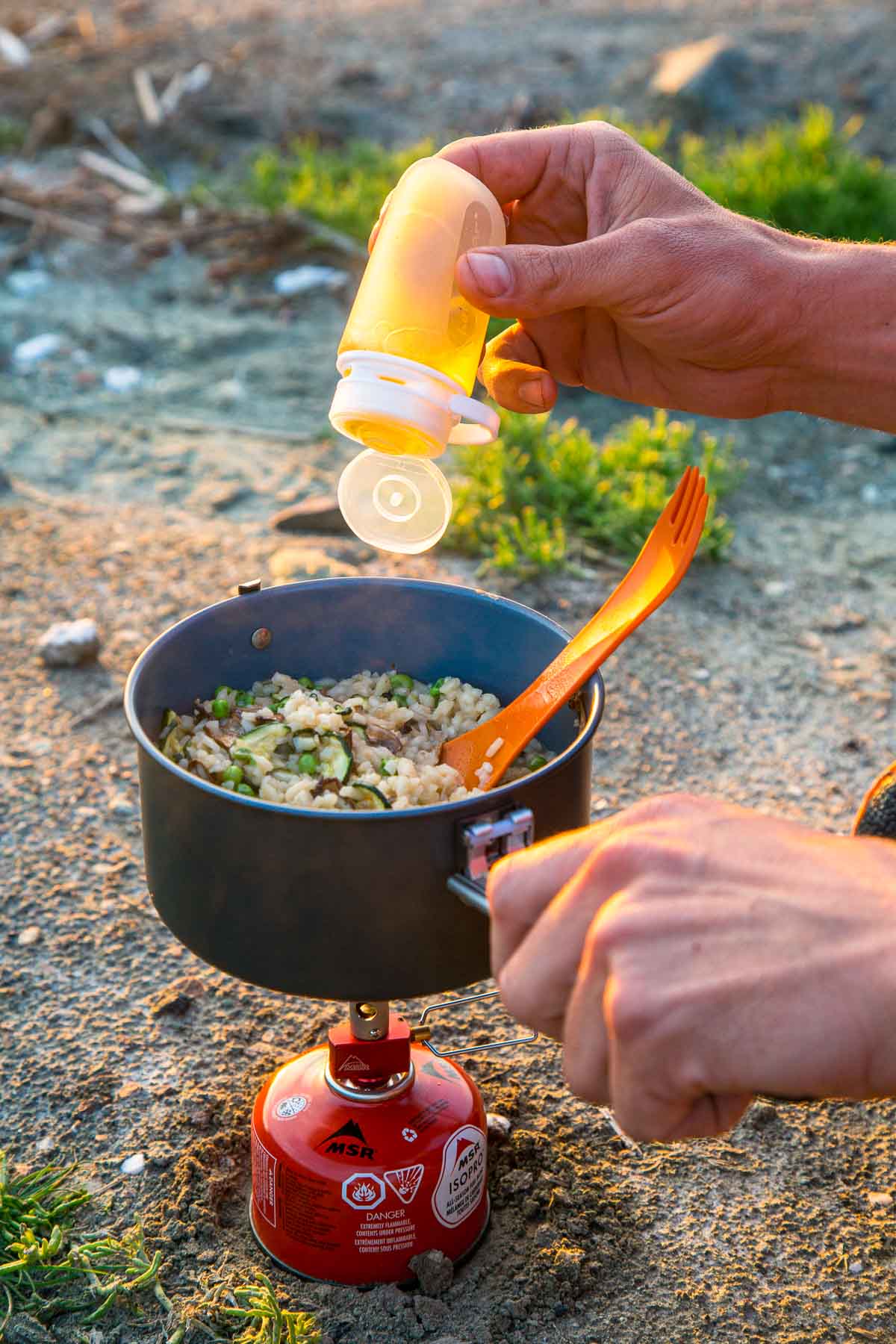
Mountain food should be light, nutritious, and easy to cook.
Must-Have Items
- Portable gas stove with fuel
- Lightweight cookware
- Reusable cutlery
- Energy bars, dry fruits, nuts
- Ready-to-cook meals
- Tea, coffee, soups (for warmth)
Avoid carrying heavy or perishable food items.
4. Water & Hydration Management

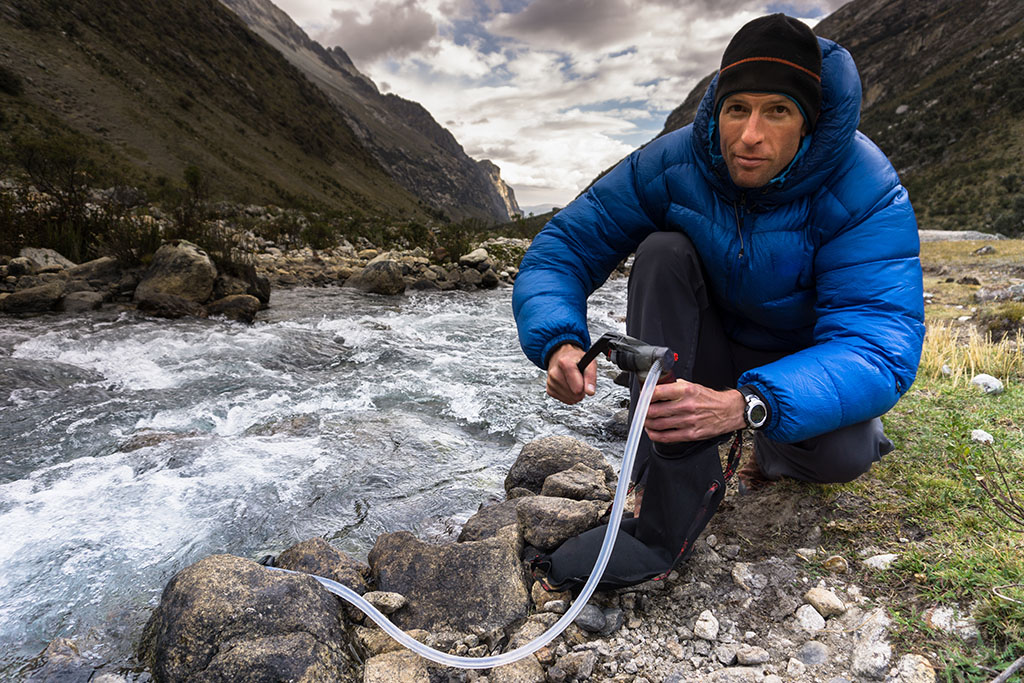
Dehydration is one of the most common mistakes beginners make.
- Carry minimum 2–3 litres of water per day
- Use water filters or purification tablets
- Drink small sips regularly
- Avoid alcohol at altitude
5. Navigation & Safety Equipment
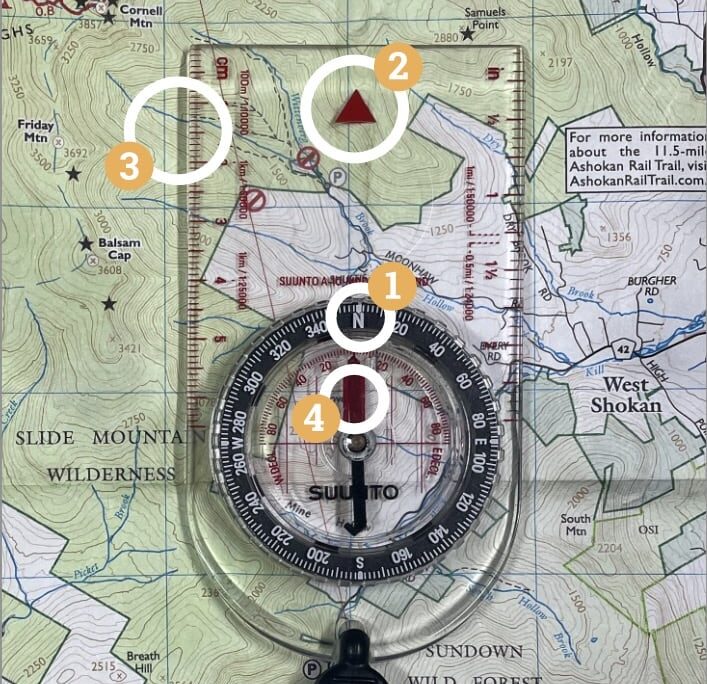
Never rely only on mobile networks.
Essential Safety Gear
- Physical map and compass
- GPS device or offline maps
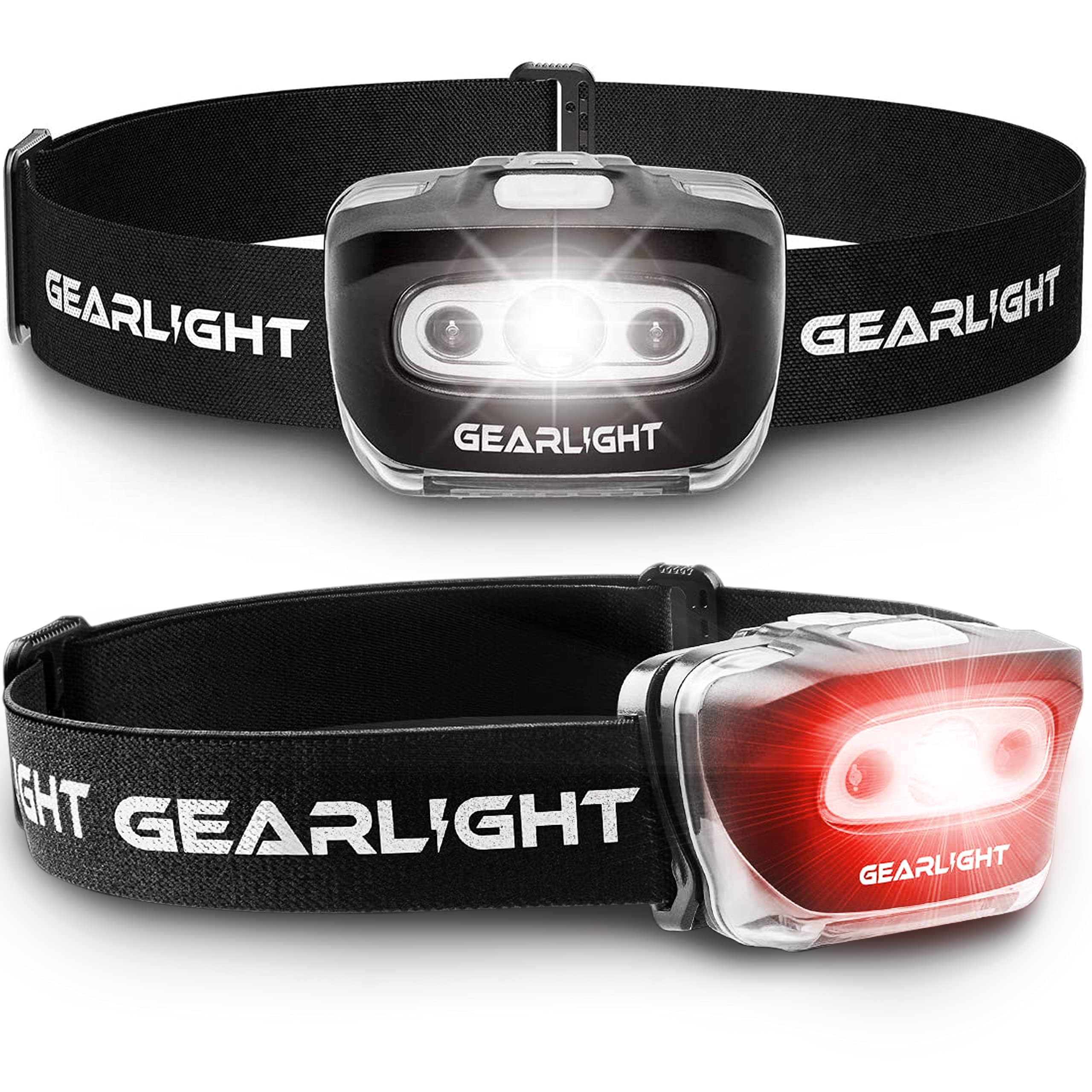
- Headlamp or torch with spare batteries
- Whistle for emergency signals
- Multi-tool or knife
- Power bank (cold drains batteries fast)
6. First Aid & Medical Preparation
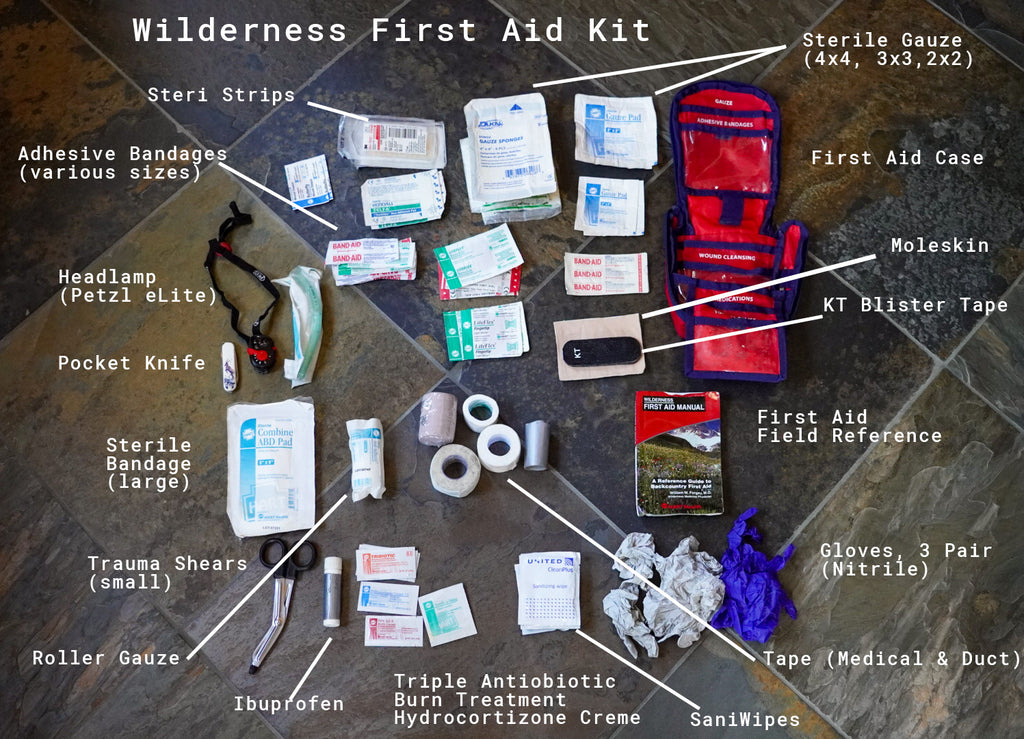
Every mountain camper must carry a personal first-aid kit.
Include:
- Bandages and antiseptic
- Pain relief medication
- Blister treatment
- Cold and altitude medication
- Personal prescriptions
Learn basic first-aid before heading into the mountains.
7. How to Set Up a Safe Campsite
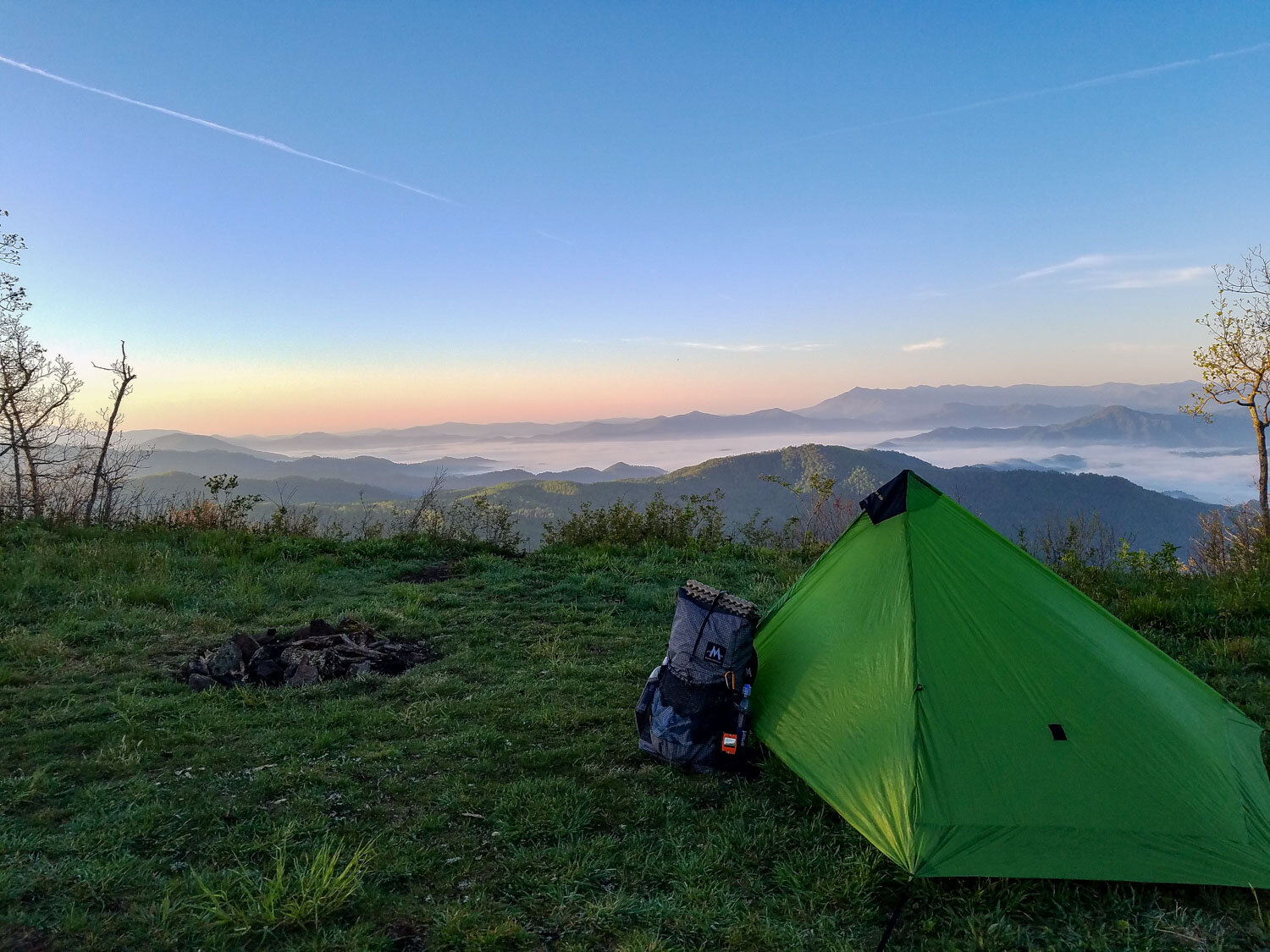
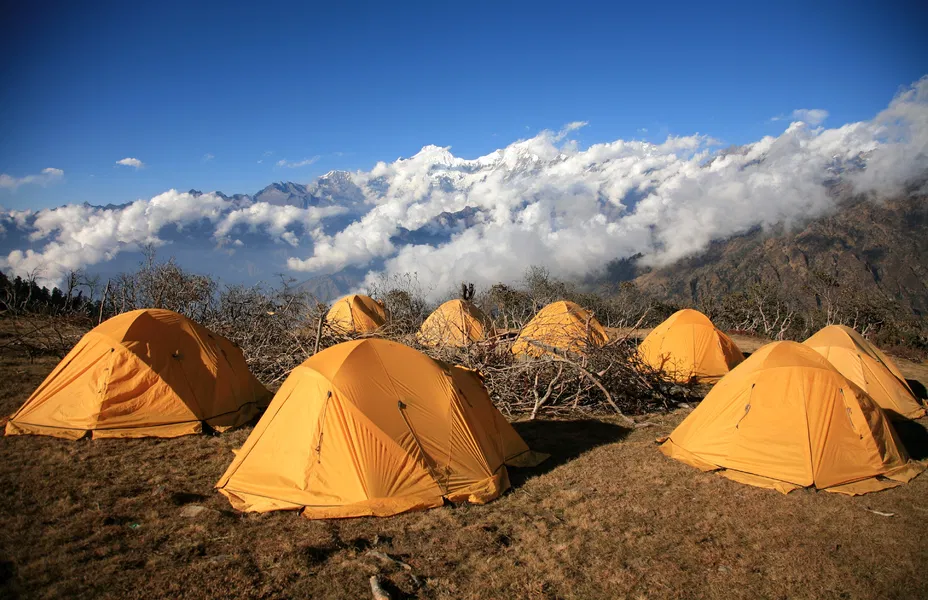
Choose the Right Spot
- Flat and stable ground
- Away from riverbanks
- Protected from strong winds
- No loose rocks above the campsite
Tent Setup Tips
- Face tent opening away from wind
- Secure pegs firmly
- Keep shoes and gear inside at night
8. Campfire & Cooking Safety
If campfires are allowed:
- Keep fire small and controlled
- Never leave it unattended
- Fully extinguish before sleeping
- Use existing fire pits only
In many Himalayan regions, campfires are restricted — always respect local rules.
9. Wildlife Awareness & Responsible Camping
- Never feed wild animals
- Store food securely
- Keep campsite clean
- Carry back all waste
- Respect silence and nature
Follow Leave No Trace principles to preserve mountain ecosystems.
10. Altitude Awareness for Beginners
At higher elevations, your body needs time to adjust.
Symptoms to Watch For
- Headache
- Nausea
- Dizziness
- Fatigue
Prevention Tips
- Ascend slowly
- Drink plenty of water
- Avoid overexertion
- Descend immediately if symptoms worsen
11. Mental Preparation: An Often Ignored Factor
Mountain camping is not just physical — it is mental.
- Be ready for discomfort
- Accept limited connectivity
- Stay calm during weather changes
- Trust your preparation
The mountains reward patience and humility.
12. Why Go With a Guided Mountain Camping Experience
For beginners, guided camping offers:
- Professional safety support
- Local knowledge
- Proper equipment
- Emergency backup
- Stress-free experience
At Manu Adventures India, our guided camping experiences are designed to help beginners enjoy the mountains safely, comfortably, and responsibly.
Final Thoughts: Your First Step Into the Mountains
Mountain camping is not about luxury — it is about simplicity, resilience, and connection. With proper preparation, the right mindset, and respect for nature, your first camping experience can become the foundation of a lifelong love for the mountains.
Pack smart. Walk gently. Leave nothing behind but footprints — and take back memories that last forever.
See you in the mountains.
— Manu Adventures India 🏔️
Frequently Asked Questions (FAQs)
1. Is mountain camping suitable for beginners?
Yes, mountain camping is suitable for beginners if you choose an easy destination, go during the right season, pack proper gear, and preferably camp with experienced guides. Preparation is the key to a safe and enjoyable experience.
2. What is the best season for mountain camping for beginners?
For beginners, the best seasons are late spring (April–June) and autumn (September–October). Weather conditions are stable, temperatures are moderate, and trails are generally safe.
3. What should beginners pack for mountain camping?
Beginners should pack a good-quality tent, sleeping bag, sleeping mat, layered clothing, waterproof jacket, trekking shoes, food supplies, water bottles, first-aid kit, headlamp, and navigation tools.
4. How cold does it get during mountain camping at night?
Mountain temperatures can drop significantly at night, even in summer. Depending on altitude, temperatures can fall close to 0°C or lower, which is why warm clothing and a proper sleeping bag are essential.
5. How many days are ideal for first-time mountain camping?
For first-time campers, 1 to 2 nights are ideal. This allows you to gain experience without overexertion and understand how your body reacts to altitude and weather.
6. Is altitude sickness common during mountain camping?
Altitude sickness can affect anyone if they ascend too quickly. Common symptoms include headache, nausea, and dizziness. Staying hydrated, ascending gradually, and resting properly help reduce the risk.
7. Is guided mountain camping better for beginners?
Yes, guided mountain camping is highly recommended for beginners. Professional guides ensure safety, proper campsite selection, emergency support, and a stress-free experience, especially in unfamiliar terrain.
8. Can beginners camp alone in the mountains?
Solo mountain camping is not advised for beginners. It is safer to camp in a group or with a certified trekking or adventure company, especially in remote mountain regions.
9. How do beginners stay safe while mountain camping?
Beginners should check weather forecasts, inform someone about their itinerary, carry safety gear, avoid risky terrain, stay hydrated, and follow campsite safety rules.
10. What are Leave No Trace principles in mountain camping?
Leave No Trace principles include carrying back all waste, avoiding damage to plants, respecting wildlife, minimizing campfires, and leaving the campsite exactly as you found it.
