
Rajasthan · India’s Pink City
Jaipur Travel Guide: Best Places to Visit
Explore rose-coloured palaces, hilltop forts, lively bazaars and Rajasthani flavours in Jaipur—an essential stop for culture lovers and first-time travellers to North India.
Jaipur at a glance
Where royal Rajasthan meets everyday city life
Jaipur is Rajasthan’s capital and one of the best places to visit in India for architecture, craft traditions and living heritage.
Founded in 1727 by Maharaja Sawai Jai Singh II, the planned old city is known for its warm terracotta façades, monumental gateways and remarkable observatory. Beyond the famous landmarks, Jaipur rewards travellers with block-printing studios, jewellery workshops, rooftop sunsets and food shaped by the desert landscape.

Essential sights
Top places to visit in Jaipur
Start with Jaipur’s three signature landmarks, then add observatories, water palaces and hilltop viewpoints according to your interests and pace.

Hawa Mahal
The Palace of Winds is Jaipur’s most recognisable façade. Visit early for soft light, quieter lanes and views across the old city from its upper passages.
Amer Fort
Explore grand courtyards, gateways, the mirror-work Sheesh Mahal and views over Maota Lake. Allow time for a guided visit to understand its Rajput history.
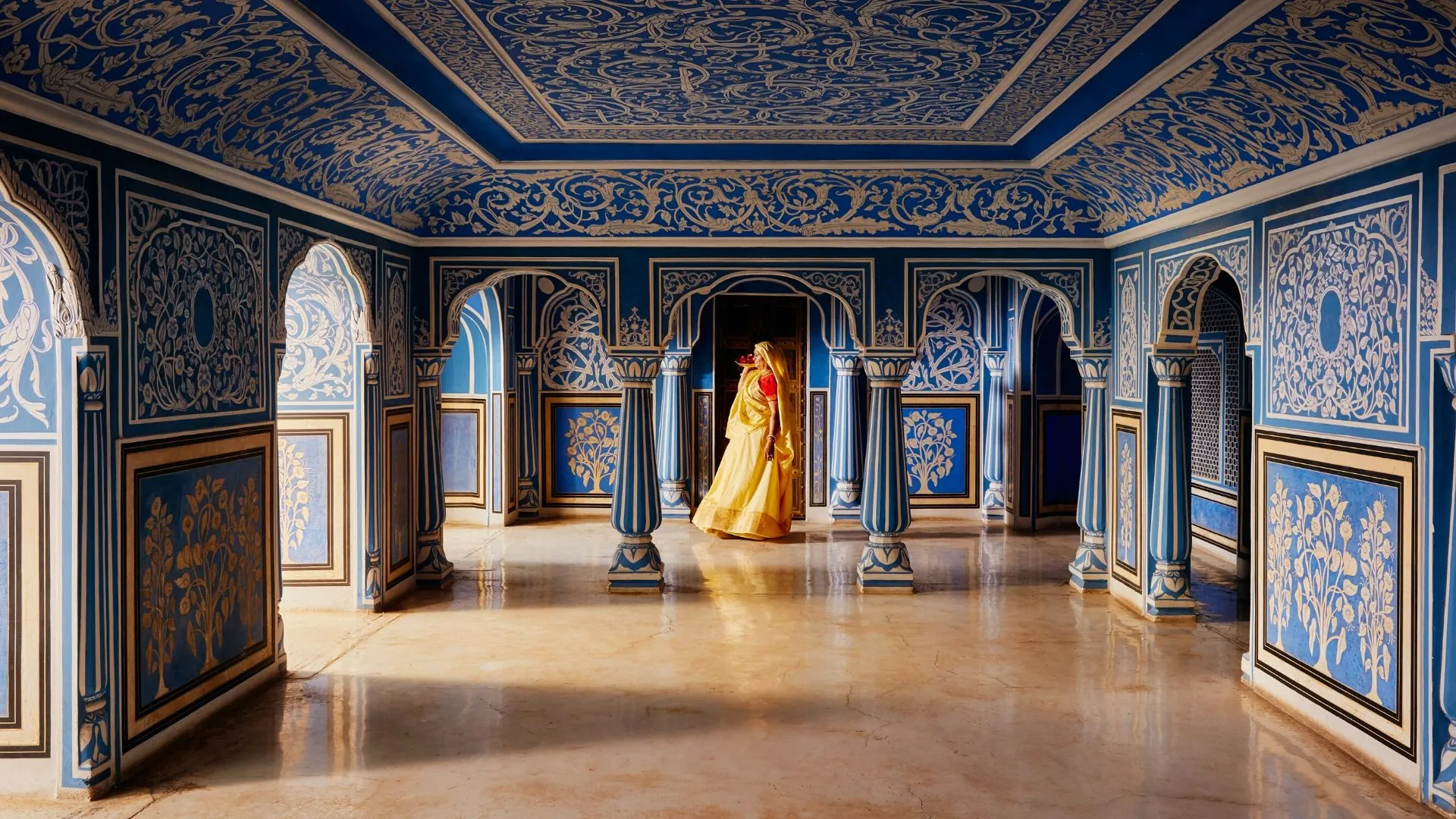
City Palace
Museums, painted gateways, textiles and ceremonial courtyards reveal Jaipur’s royal legacy. Some special rooms require an additional access ticket.
Beyond the monuments
Memorable Jaipur experiences
Walk the bazaars
Browse Johari Bazaar for jewellery, Bapu Bazaar for textiles and smaller lanes for lac bangles and handcrafted details.
Meet local makers
Visit a block-printing or blue-pottery workshop and choose demonstrations that compensate craftspeople fairly.
Taste Rajasthan
Try dal baati churma, kachori, ghevar and regional thalis at clean, well-reviewed kitchens or with a trusted guide.
See Jaipur from above
Enjoy Aravalli viewpoints or a responsibly operated hot-air balloon experience when weather and season allow.
Suggested plan
A practical Jaipur itinerary
Two days cover the essentials. A third day creates room for craft encounters, slower sightseeing or a day trip beyond the city.
Old City and royal Jaipur
Begin at Hawa Mahal, continue to City Palace and Jantar Mantar, then explore the old-city bazaars. Finish with a food walk or a relaxed rooftop dinner.
Amer and the hill forts
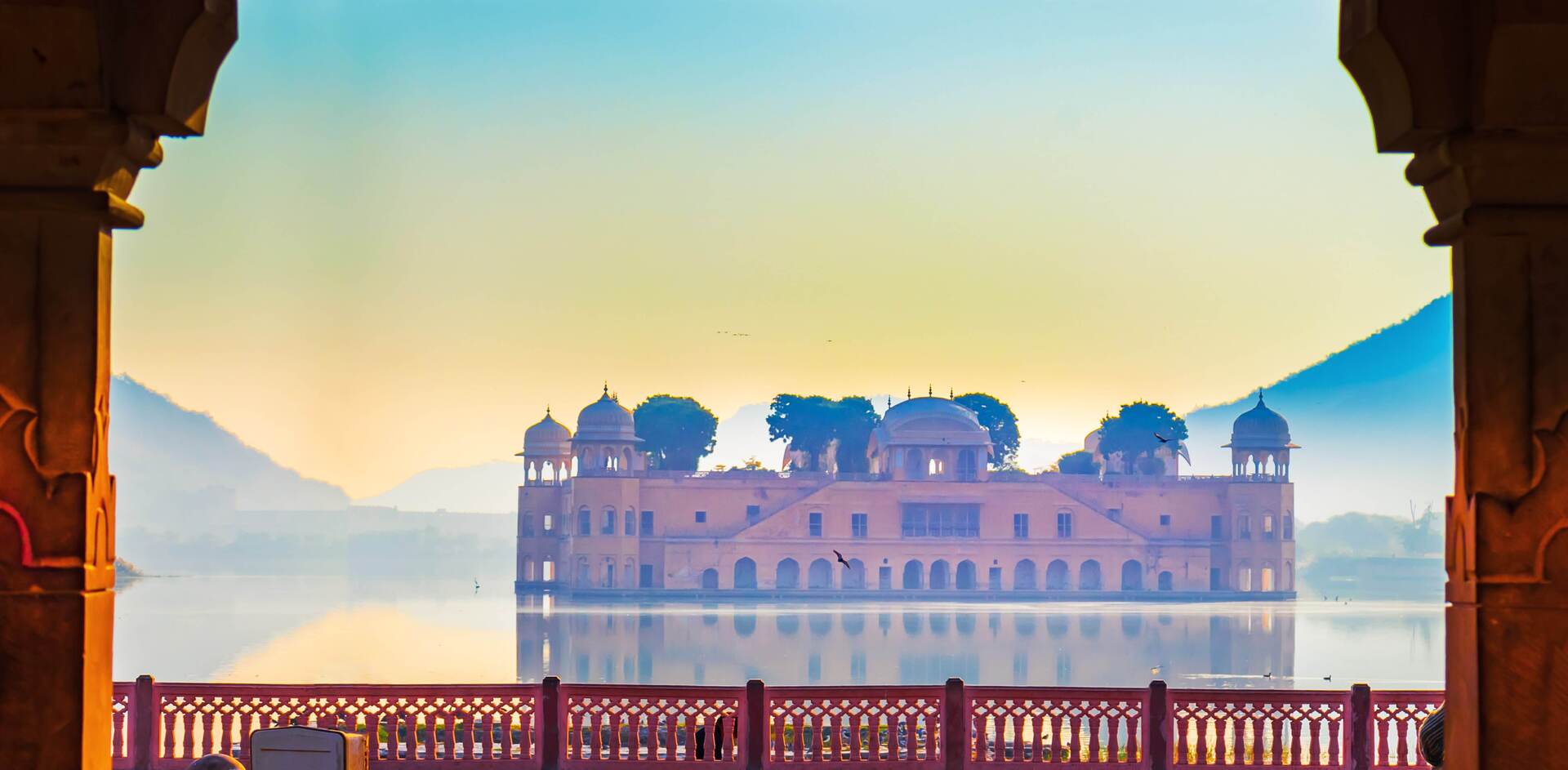
Visit Amer Fort early, add Panna Meena ka Kund where access allows, then continue to Jaigarh. Stop at Jal Mahal and end at Nahargarh for the city panorama.
Craft, culture and a slower pace
Choose a block-printing workshop, Albert Hall Museum, Galtaji or a guided neighbourhood walk. This is also a useful buffer for shopping and relaxed meals.
Weather and seasons
Best time to visit Jaipur
October to March usually brings the most comfortable conditions for sightseeing, but Jaipur is a year-round city when you plan around the heat and monsoon.
Clearer skies and warm days; a popular period for forts and festivals.
Pleasant days with cool mornings and evenings. Carry a light warm layer.
Temperatures rise sharply. Sightsee early, rest at midday and hydrate well.
Humid monsoon conditions with occasional showers and greener Aravalli hills.

Travel well
Jaipur planning essentials
Timings, entry rules and restoration closures can change. Confirm official information close to your visit and build breathing room into busy sightseeing days.
- Start major forts and palaces early to avoid heat and crowds.
- Dress respectfully at temples and ask before photographing people.
- Use licensed guides and agree taxi or auto-rickshaw fares in advance.
- Carry drinking water, sunscreen and a hat; avoid single-use plastic where possible.
- Never support wildlife attractions that permit riding, performances or close-contact handling.
- Allow extra travel time around the walled city during festivals and peak hours.
Arrival and movement
How to reach Jaipur and get around
By air
Jaipur International Airport connects the city with major Indian hubs and selected international routes. Pre-arranged transfers offer the smoothest arrival.
By train
Jaipur Junction has regular services from Delhi, Agra and other cities. Book popular trains early, particularly in the winter travel season.
By road
Jaipur is commonly reached from Delhi or Agra by private vehicle, coach or intercity bus, making it a natural part of the Golden Triangle circuit.
Within the city
Use app-based cabs, autos or a private car with driver. Cluster the old-city sights together to reduce traffic delays and unnecessary journeys.
Ideal stay
Choose two nights for major landmarks or three nights for markets, crafts and a gentler pace. Heritage hotels can add atmosphere to the visit.
What to pack
Comfortable shoes, breathable clothing, sun protection and a modest layer for temples. Winter mornings may require a light jacket.
Continue exploring
Combine Jaipur with more of India
Jaipur works especially well as part of a broader North India journey, linking Mughal heritage, Rajasthan’s cities and Himalayan extensions.
Local planning, personal service
Why visit Jaipur with Manu Adventures India?
We build Jaipur into carefully paced India itineraries that connect the landmarks with the stories, people and practical details behind them.
Since 2005, our team has helped travellers explore India through customised tours, dependable local partners and responsive trip support. We can coordinate transport, accommodation, guided sightseeing and onward travel while adapting the plan to your interests and available time.
Jaipur travel questions
Frequently asked questions
How many days are enough for Jaipur?
Two full days are enough for Jaipur’s major forts, palaces and old-city sights. Three days are better if you want time for craft workshops, markets, museums or a slower schedule.
What is the best month to visit Jaipur?
November to February generally offers the most comfortable sightseeing weather. October and March can also be excellent, with warmer afternoons and fewer winter layers.
What are the must-see places in Jaipur?
First-time visitors usually prioritise Amer Fort, Hawa Mahal, City Palace and Jantar Mantar. Jal Mahal and a sunset viewpoint at Nahargarh Fort are useful additions.
Is Jaipur part of India’s Golden Triangle?
Yes. Jaipur forms the Golden Triangle with Delhi and Agra. The circuit combines capital-city landmarks, Mughal heritage and Rajasthan’s forts, palaces and bazaars.
Is Jaipur safe for travellers?
Jaipur is a major visitor destination, but normal city precautions still apply. Protect valuables, use trusted transport, avoid isolated areas after dark and agree costs before accepting informal services.
What should I wear in Jaipur?
Choose light, breathable clothing with comfortable walking shoes. Carry modest layers that cover shoulders and knees for religious sites, plus sun protection and a warmer layer in winter.
Can I visit Amer Fort and Jaipur’s old city in one day?
It is possible but rushed. If time is limited, visit Amer Fort early, then continue to Hawa Mahal, City Palace and Jantar Mantar. Two days produce a much better experience.
Can Manu Adventures India arrange a customised Jaipur tour?
Yes. We can incorporate Jaipur into a private Golden Triangle or wider India itinerary with transport, accommodation, guided visits and experiences tailored to your interests.
Start planning
Turn Jaipur into part of your best India story
Tell us your dates, travel style and must-see places. We’ll help shape a thoughtful Jaipur stay or a complete Golden Triangle and Rajasthan journey.