BIR–BILLING · DHAULADHAR RANGE
From village trails to the high mountain pass.
A six-day camping journey through Rajgunda, Palachak and Panihardu, with a pass attempt and a return towards Barot Valley.
Trek at a glance
Duration: 6 days / 5 nights · Private or group departures on request
High point: approximately 4,700–4,800 m
Grade: demanding · Prior mountain trekking experience recommended
Route: Billing → Rajgunda → Palachak → Panihardu → Thamsar Pass → return
Finish: Barot, with onward transfer as agreed · Price on request
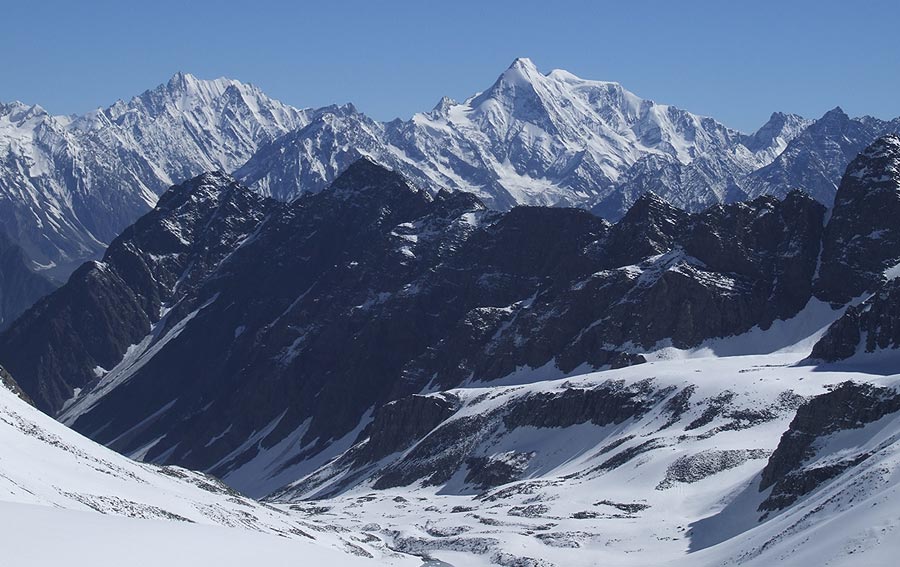
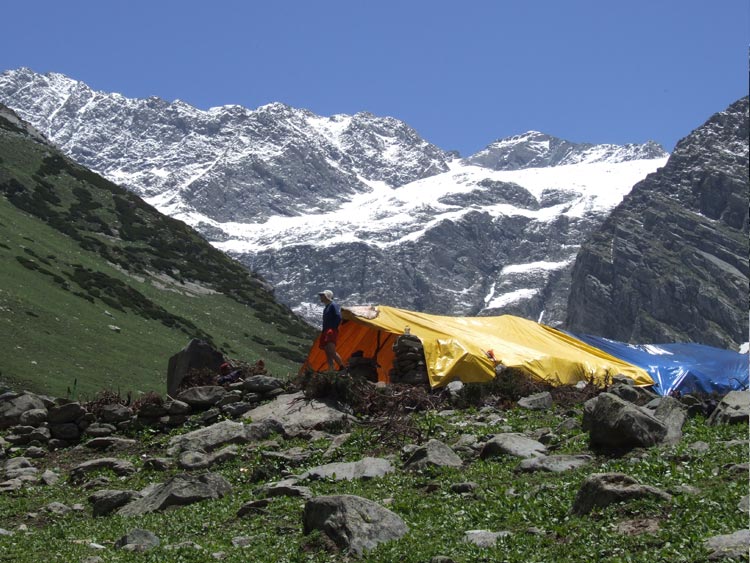
Follow an old shepherd route from the lower valleys towards the upper Dhauladhar. The approach passes Rajgunda village and the grazing grounds of Palachak before climbing to the higher Panihardu camp. Above the meadows, the terrain becomes rocky and remote, with snow or ice possible near the pass.
This itinerary attempts Thamsar Pass and returns on the same side. It does not continue down to Bara Bhangal village. A full crossing into Bara Bhangal needs a different itinerary, additional logistics and a separate quotation.
Choose this trek if you already have mountain walking experience and are comfortable with long days, rough trails, steep ground and basic camping. A short day hike alone is not sufficient preparation for the high camps and pass day.
The six-day outline may need an extra staging, acclimatisation or reserve day. We review your experience, available time and current access before confirming the programme. Reaching the pass is an objective, not a guarantee.
Meet at the confirmed pickup point and travel by road through Bir towards Billing. Settle into the agreed accommodation or camp, meet the trekking team and check equipment. Use the afternoon for a gentle walk and a briefing on the route.
Overnight: Billing area, as quoted. Road travel time depends on the pickup point and access; confirm the exact meeting time before booking onward connections.
Begin the walking approach through forest and open hillsides towards Rajgunda. This lower stage gives time to settle into a mountain pace before the higher camps. The published walking estimate is around 4–5 hours, but the chosen trailhead and road conditions can change the stage.
Overnight: Rajgunda area. Respect village paths and ask before photographing residents or shepherds.
Continue via Palachak towards the upper valley and Panihardu, also written as Panihartu or Panhartu. The published route is approximately 16 km, with the pace affected by camp location, stream crossings and seasonal snow.
This is a substantial walking and ascent day. The leader may split the stage with an intermediate camp if the team or conditions require a slower approach.
Overnight: Panihardu area, at the campsite selected by the team.
Start early for the upper route. The approach can involve boulders, loose ground and seasonal snowfields. The leader checks the weather, snow surface, team condition and turnaround time before continuing to the pass.
Return to Panihardu after the attempt. Allow a full mountain day; the original 7–8 hour estimate can be exceeded in difficult conditions. Do not continue beyond the agreed turnaround point simply to keep to a schedule.
Overnight: Panihardu camp. This is an out-and-back day, with no descent to Bara Bhangal.
Retrace the approach through Palachak and descend towards the accessible roadhead in the Baragran area. Meet the vehicle for the journey to Barot. The earlier programme combined approximately 14 km of walking with around 14 km by vehicle; these are different parts of the day, and current road access determines the final arrangement.
Take time to rest on arrival in Barot Valley. An extra lower camp may be needed if weather, fatigue or road conditions delay the return.
Overnight: the Barot guesthouse or hotel stated in your quote.
After breakfast, depart by the transfer agreed for your booking. Dharamshala, Pathankot, Chandigarh and Manali are different journeys with different costs and timings: choose one final drop point when requesting your quotation.
Trip ends: at your confirmed drop point. Keep flexibility around onward flights or trains in case the mountain itinerary changes.
Confirm your personal baggage allowance and emergency equipment in writing before departure.
For the published programme, arrange arrival in Dharamshala or McLeod Ganj before the agreed departure. Kangra Airport at Gaggal is the usual nearby airport; rail travellers can connect from Pathankot by road. If you are already in Bir, ask for a revised meeting and transfer plan.
The team will confirm transport, accommodation, permits and any identification requirements with your booking. Complete essential purchases and carry the cash you need before leaving the lower towns.
Share your dates, group size, pickup point and preferred final drop for an itemised quote.
We will confirm the route, camp plan, baggage allowance, equipment and any extra days before you book.
Tell us your plans and recent trekking experience so we can recommend suitable arrangements.
Your enquiry does not confirm a booking. Read our privacy policy.
District Kangra’s tourism guidance lists seasonal access from roughly mid-June to mid-October, advises avoiding the peak July–August monsoon, and notes possible early autumn snowfall. We check access for your actual dates; neither a clear pass nor snow-free walking is guaranteed.
See the official Thamsar Pass destination guide for regional background.
Build fitness with regular uphill walks, stairs, strength work and consecutive longer walking days. Practise carrying the daypack you intend to use. Share your experience and any participation concerns with the team before the trip.
The schedule is adjusted around acclimatisation and team condition. Tell your leader promptly if you feel unwell and follow any decision to pause, change camp or descend. Emergency arrangements are discussed before departure.
Confirm whether sleeping bags, mats, gaiters and traction equipment are supplied. The guide specifies any snow equipment for the conditions; do not assume ordinary footwear alone will be appropriate.
Carry litter out, use agreed toilets and water arrangements, and avoid fires. Keep clear of livestock, follow local advice around shepherd dogs, and ask before photographing people. Camp locations follow access conditions and local permissions.
No. This programme approaches Thamsar Pass from the Bir–Billing side, attempts the pass and returns towards Barot. A full crossing into Bara Bhangal needs a separate route, more time and different logistics.
Published elevations differ. We describe the high point as approximately 4,700–4,800 metres. Treat the figure as an approximate altitude for planning.
It is demanding, with long walking days, high camps and rough upper terrain. Previous mountain trekking experience and good endurance are recommended. We assess your experience before confirming suitability.
Six days is the published outline, including road travel. Additional acclimatisation, an intermediate camp or a weather reserve may be needed. Tell us your total available time and avoid tight onward connections.
Access is seasonal. June and the post-monsoon period are common planning windows, but snow and local conditions determine each departure. Peak monsoon and winter are not standard departures for this itinerary.
Ask for the allowance in your written quote. Group equipment is carried by the support team as arranged. Personal baggage limits, extra porter charges and mule availability must be confirmed for your departure.
The trek uses tented accommodation and vegetarian trekking meals, with a Barot guesthouse or hotel where specified. Sharing arrangements, meal coverage and any dietary requirements are agreed before booking.
Your quotation includes the agreed transfers only. A final drop in Dharamshala, Pathankot, Chandigarh or Manali involves different distances and costs. Select your destination when asking for a quote.
The leader can turn the team back, shorten the route or change camps. Any alternative arrangements, extra days and costs are handled under the booking terms agreed before departure.
Do not rely on either at higher camps. Carry a power bank and let family know you may be offline. Make important calls and purchases in the lower towns.
We confirm the applicable entry requirements and identification for your route. Arrange insurance covering your trekking altitude and any emergency evacuation. Check activity exclusions with your insurer.
Send your dates, group size, experience and transport requirements. After the route and services are agreed, we provide the quotation, payment instructions and cancellation terms.
Review the refund policy and booking terms together with your written trek quotation before making payment.
Compare another demanding Dhauladhar route from the McLeod Ganj side.
Build mountain experience with a shorter camping journey above Triund.
Compare Himalayan routes and ask our local team for a plan suited to your experience.