
HIMALAYAN TREKKING
Use this checklist to assess a trekking programme, while checking the requirements that apply to the specific route and local authority.
By Manu Adventures India · Updated 6 November 2026
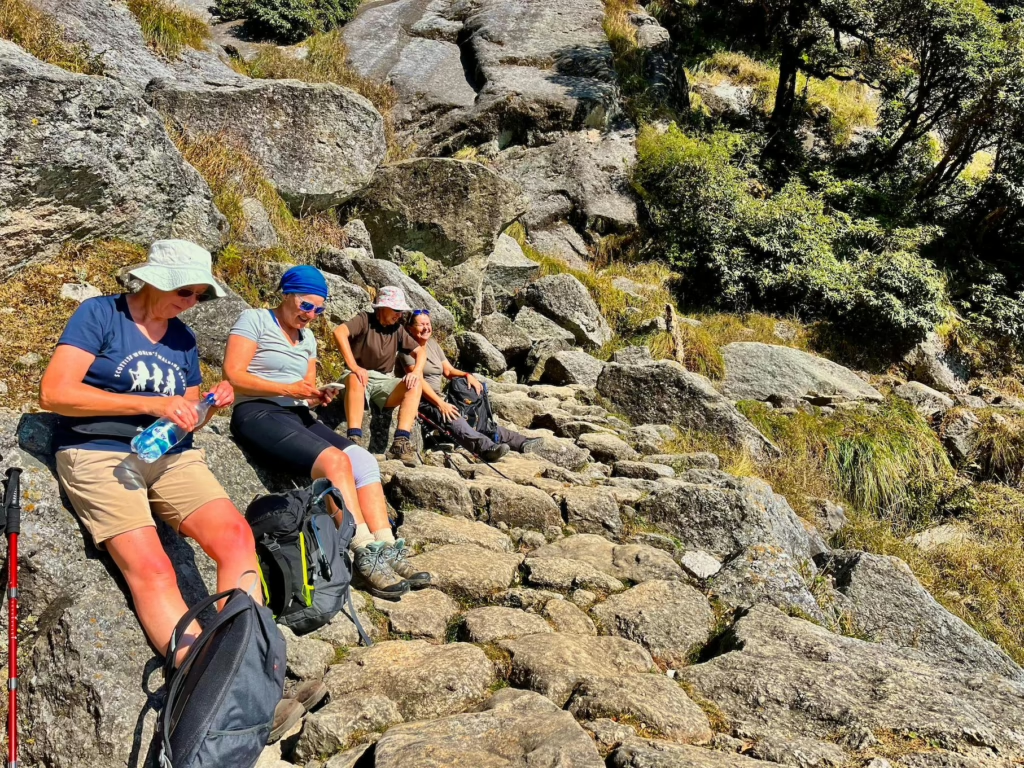
Ask who runs the trek, where the business is based and which guide will accompany you. Confirm the actual route, meeting point, daily stages and overnight arrangements. Local permits, registration and access requirements vary, so a generic national checklist cannot establish that a particular departure is authorised.
Request relevant mountain experience, first-aid preparation and familiarity with the route in the intended season. Explain your own experience and any support needs. A qualification name is useful context, but it does not replace a clear operating plan or local knowledge.
Ask what equipment is supplied, how it is checked and what you must bring. Confirm sleeping bags appropriate to the expected conditions, shelter, water arrangements, meals and the camp’s permission status. Discuss equipment sizes and personal requirements before departure rather than at the trailhead.
Understand the communication limits, emergency arrangements, turnaround decisions and responsibility for additional costs. Ask for inclusions, exclusions and cancellation terms in writing. Consult current local guidance and the relevant authority for legal or regulatory requirements; this article is a planning checklist rather than a certification standard.
Further planning: Himachal Tourism travel safety tips. Check current information before making fixed bookings.
Ask who runs the departure, who leads the walking group and how the office supports the team. Request the exact meeting point, daily stages, planned camps and route exit. If a supplier proposes an alternative route, compare it on the same terms rather than assuming that every package using the same trek name is identical.
Check the accommodation and meal schedule day by day. A package may begin with dinner while the first day’s lunch is your responsibility. Ask whether water refills, entry charges, sleeping equipment and local transfers are included. Request an explanation of baggage limits and any personal porter service. These questions help avoid misunderstandings more effectively than comparing headline prices alone.
Your footwear, clothing, daypack and personal medicines need their own preparation. Try shoes and the loaded pack before travelling, and ask the team about layers appropriate to the planned camps. A packing list should match the route and season, rather than being copied unchanged between a short forest walk and a high-pass crossing.
Ask what the organiser supplies for tents, sleeping bags, mats, cooking and first aid. Confirm whether items are shared and how they are checked before departure. If renting equipment, establish the sizes, collection point, deposit and return arrangements. Do not rely on an assumption that suitable equipment can always be found after reaching the trailhead.
Discuss the guide’s authority to adjust a stage, choose an earlier turnaround or stop the trek. Ask how the group communicates when mobile service is limited and what information is given to a nominated contact. Emergency arrangements depend on terrain and conditions; a list of equipment is only one part of the plan.
Read the payment and cancellation terms alongside the itinerary. Clarify extra-day charges, weather-related changes and what happens if a traveller chooses to leave early. Keep the final proposal and receipt together. Use the camping guide for overnight questions and compare published trekking packages before confirming the one that fits your needs.
No. Review route experience, equipment, staffing, permissions and the written operating arrangements alongside any qualifications.
Share your dates, group size and interests with our Dharamshala-based team. We can help you shape a guided trek or private India itinerary around your pace.