MANALI · BEAS KUND APPROACH · HIMACHAL PRADESH
A technical Himalayan objective for experienced climbers.
Plan a guided expedition through the Beas Kund basin, with a route, camp progression and climbing team matched to your experience and the conditions.
Expedition at a glance
Summit: 5,932 m, as listed by the Indian Mountaineering Foundation
Mountain base: Manali · Approach: Dhundi, Bakarthach and Beas Kund
Category: technical mountaineering · Previous alpine experience required
Duration: tailored around acclimatisation, high camps and reserve days
Delhi travel extensions available on request · Price on request
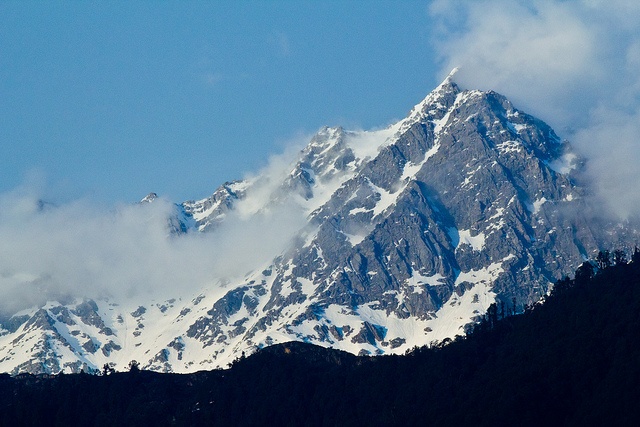
Hanuman Tibba is a prominent Himalayan climbing objective above the Solang and Beas Kund area near Manali. The journey moves from lower valley trails into remote mountain terrain, with camps and climbing stages planned around the chosen route.
This is a technical mountaineering expedition. Glacier travel, steep snow or ice and exposed sections can demand roped movement and specialist equipment. Strong walking fitness alone is not a substitute for the skills needed on the upper mountain.
Participants should have recent high-altitude experience and practical familiarity with the climbing equipment and techniques required for the agreed route. A basic or advanced mountaineering course, or equivalent assessed experience, is useful evidence when discussing suitability.
Send a brief climbing history: previous summits, highest sleeping camps, recent snow or ice experience and the equipment you have used. The expedition leader reviews the team before confirming a booking. Skills practice during the trip is a refresher, not a replacement for previous training.
The approach is through the Manali–Dhundi–Bakarthach–Beas Kund area. A commonly used climbing line involves the Tentu Pass sector. The exact route, camps and protection plan are confirmed by the leader after reviewing current conditions.
Rather than fitting the mountain into a fixed travel deadline, we agree a programme with time for acclimatisation, camp progression, load carrying where necessary and weather reserve. Camp heights and daily movement are not guaranteed in advance.
Meet the team in Manali for an experience review, equipment fitting and a detailed expedition briefing. Complete the applicable administrative requirements and check personal insurance and evacuation arrangements. Rest after travel and begin the agreed preparation programme.
Arrival hotel nights and Delhi connections are included only where listed in your quote.
Travel towards the permitted trailhead and begin the walking approach. Move through the lower Beas Valley towards Bakarthach, using the stage to establish a steady pace and check personal equipment.
The drive endpoint, walking distance and first camp depend on access and the route selected for the departure.
Continue into the higher basin and establish the agreed base camp. Allow time for acclimatisation, rest, equipment checks and supervised skills practice in suitable terrain.
Base camp is chosen for the expedition route and conditions. A named campsite on another trek should not be assumed to be the correct camp for this climb.
The leader sets the progression above base camp, including acclimatisation rotations or load carries where needed. Higher camps are occupied only when the route, team and weather are suitable.
Snow and ice conditions, hazards and the condition of the team can change the order and number of camps. Extra days may be needed before any summit attempt.
Attempt the summit only when the leader considers the team ready and the route acceptable. Follow the agreed climbing system and turnaround plan. The aim is to return safely to camp; reaching the summit is never guaranteed.
After the attempt, descend through the camps according to the leader’s plan. A single summit-day duration is not promised because conditions and the final camp arrangement determine the day.
Clear the expedition camps, bring equipment and waste back down, and return to the accessible roadhead. Continue to Manali for the debrief and any hotel stay in your package.
Keep reserve time before onward travel. Delhi transfers or sightseeing can be added once the mountain programme and contingency arrangements are agreed.
Confirm guide staffing, sleeping equipment, technical kit sizes, emergency resources and all charges before paying.
Contact us before committing to flights or a short fixed leave window. The final number of days depends on your arrival arrangements, the group’s experience, acclimatisation strategy, camp plan and reserve allowance.
Your written quote sets out the mountain programme, hotel nights, transport points, staffing, equipment, permit charges and the cost of using any extra days. We can discuss a Manali-based expedition or a wider Delhi-to-Delhi travel arrangement.
Request an expedition plan based on your climbing background, dates, group size and travel requirements.
The final quotation confirms the duration, staffing, equipment, administrative charges and reserve-day costs.
Share your background and available time. We will review suitability and discuss an expedition plan.
Sending an enquiry does not confirm a place. Read our privacy policy.
Plan dates with the expedition leader rather than assuming a continuous climbing season. Snow and ice, rainfall, storm cycles and local access affect the approach and upper route. The leader may delay movement, change camp locations or stop an attempt when conditions are unsuitable.
Prepare for repeated days of uphill work, cold camps and sustained effort while carrying the load agreed for the climb. Build endurance and strength progressively and practise with your fitted equipment under qualified supervision before departure.
Acclimatisation, health reporting and conservative decisions remain essential even for fit climbers. Tell the leader promptly if you feel unwell and follow the agreed decision to rest or descend. Discuss personal medical concerns with a qualified clinician before committing to the expedition.
Equipment provision, hire, fit and responsibility are agreed before travel. A generic trekking packing list is not sufficient for this climb.
We confirm the required expedition documentation for the current route and participants. Refer to the Indian Mountaineering Foundation peak listing for the official listed elevation and peak reference.
Discuss emergency resources, communications, evacuation responsibilities and the relevant limitations before booking. Keep camps clean, remove waste and equipment, and follow all access and environmental requirements.
The Indian Mountaineering Foundation’s peak listing gives Hanuman Tibba I an elevation of 5,932 metres. Other published descriptions use different heights; this page follows the IMF listing.
It is a technical mountaineering objective. The approach includes trekking, but the upper route can require specialist climbing equipment and skills. It should not be booked as an ordinary guided walking holiday.
This expedition is not intended for complete beginners. We review recent altitude experience, technical training and practical climbing skills before recommending participation or a suitable progression.
The final duration is confirmed after reviewing the route, team, acclimatisation and reserve plan. Allow separate time for travel to and from Manali. Do not rely on a short summit schedule when booking non-changeable onward travel.
Late spring or early summer and post-monsoon periods are commonly considered for planning. Exact dates depend on snow stability, weather, glacier conditions, local access and the chosen route. A month on a calendar does not guarantee suitable climbing conditions.
No. The leader can turn the team back, change camps or abandon the attempt. Weather, terrain and the team’s condition determine whether an attempt is appropriate.
The applicable IMF process, local permissions and any access requirements depend on the route, current rules and participants’ nationality. We confirm the administrative requirements, documents and charges in your expedition plan.
Your quote itemises the shared and personal equipment supplied. Discuss boots, crampons, ice axe, harness, helmet, ropes, protection and other route-specific items with the leader. Fit and compatibility are checked before departure.
Ask about available sizes and hire arrangements in advance. Do not assume suitable climbing boots or technical equipment will be available on arrival. Personal fit and compatibility must be checked before the expedition.
Arrange a policy that explicitly covers technical mountaineering at the intended altitude, including emergency evacuation where applicable. Ordinary trekking or general travel cover may exclude the planned activity; check the wording with your insurer.
Only if listed in your quotation. You can request a Manali-based expedition or a wider travel arrangement with Delhi transfers and hotel nights.
Reserve allowance and the cost of additional days are agreed before payment. If conditions prevent climbing, any alternative arrangements, cancellations and unused services follow the confirmed booking terms.
Do not rely on mobile reception or charging beyond the lower approach. The team discusses communication and emergency arrangements in the briefing. Carry personal charging power and inform family that you may be offline.
Review the refund policy and booking terms, together with your itemised expedition quotation, before making payment.
Compare another demanding mountain objective with our team. Suitability and technical requirements are assessed separately.
Find guided walking journeys for building mountain experience before progressing to technical objectives.
Discuss your climbing goals, experience, dates and logistics with Manu Adventures India.