Manimahesh Lake Trek & Yatra
- Duration : 04 Nights 05 Days
- Elevation : 4,080m
- Group Size : Min 4
- Difficulty : Moderate to Difficult
4.8 (1,127) Reviews
★★★★★ Rated 4.7 out of 5

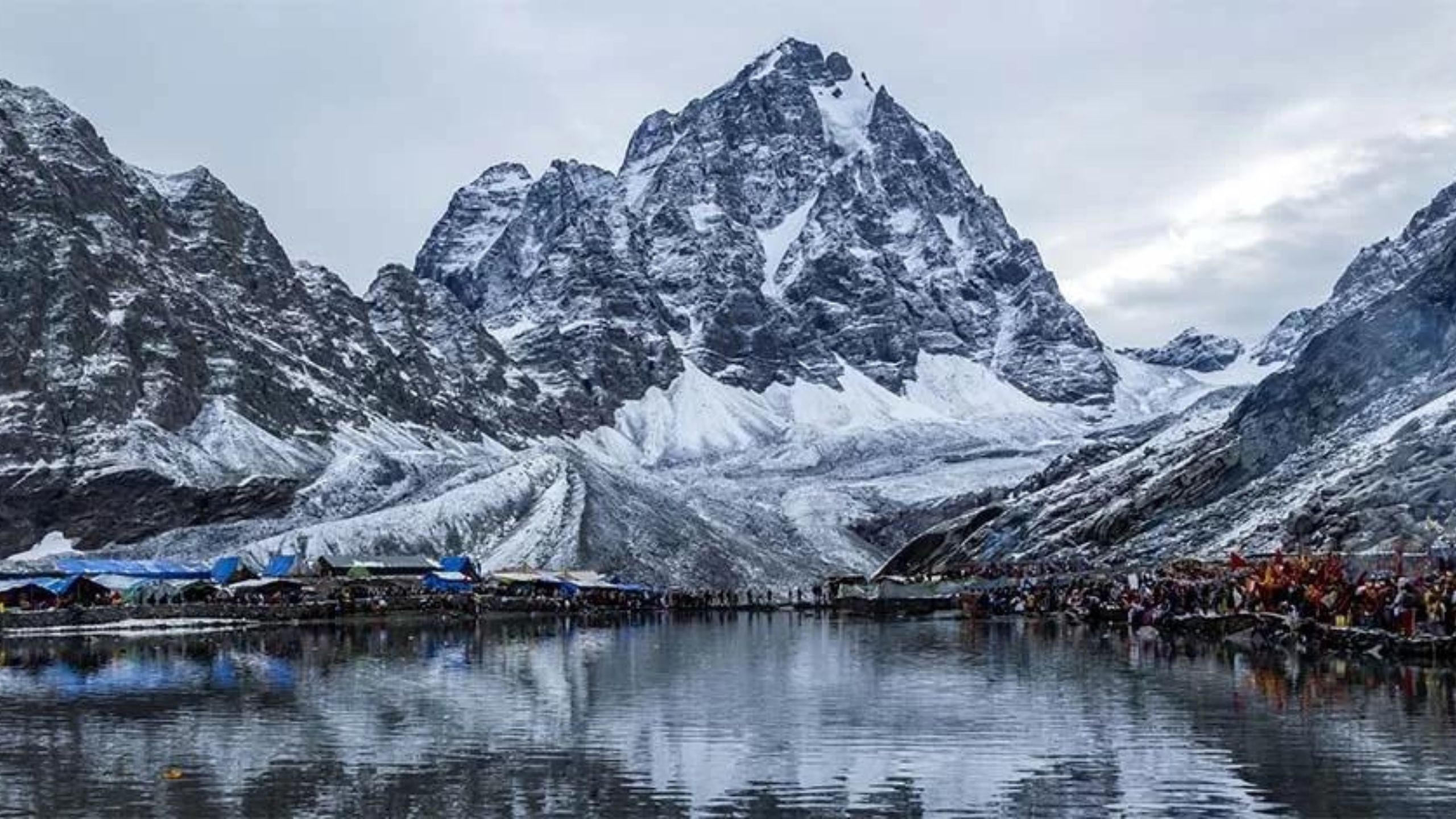
The Manimahesh Lake Trek is a high-altitude Himalayan journey to the sacred lake beneath Manimahesh Kailash in the Bharmour region of Chamba, Himachal Pradesh. At an elevation of about 4,080 metres, the lake is revered as the abode of Lord Shiva and draws both pilgrims and trekkers. This 4-night, 5-day itinerary combines road travel, acclimatisation, temple visits and a guided trek from Hadsar through Dhancho to Manimahesh Lake. Manu Adventures India plans the journey with experienced local support, practical pacing and close attention to mountain weather and trail conditions.
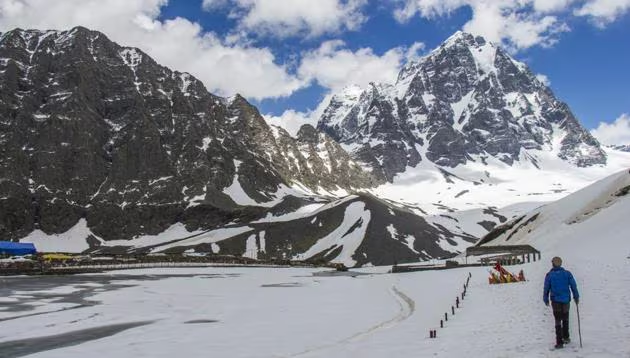
Walk the classic Hadsar–Dhancho–Manimahesh trail through forests, waterfalls and dramatic alpine terrain. Visit the historic Chaurasi Temple complex and Bharmani Mata Temple in Bharmour. Experience the spiritual atmosphere of Manimahesh Yatra while viewing the sacred Manimahesh Kailash peak. Camp or stay in simple mountain accommodation along the route, depending on the season and availability. Travel with local guides who understand the terrain, weather changes and pilgrimage customs. The trek is ideal for fit travellers seeking a meaningful combination of Himalayan adventure, culture and spirituality.
Day 1 – Arrival and drive to Bharmour: Meet the Manu Adventures India team and travel towards Bharmour in Chamba district. Check in, rest and receive a trek briefing. Day 2 – Bharmour acclimatisation and local sightseeing: Visit the Chaurasi Temple complex and Bharmani Mata Temple, subject to local conditions. Use the day to acclimatise, organise equipment and prepare for the higher trail. Day 3 – Bharmour to Hadsar and trek to Dhancho: Drive to the roadhead at Hadsar, then begin the climb towards Dhancho. The route follows a mountain valley with forest sections, streams and steep stretches. Day 4 – Dhancho to Manimahesh Lake and return: Start early for the ascent to Manimahesh Lake. Spend time respectfully at the sacred lake, enjoy views when the weather is clear and descend to Dhancho before conditions change. Day 5 – Return to Hadsar and onward journey: Trek down to Hadsar and continue by road. Exact timings, night halts and route decisions may change with weather, trail conditions, crowd movement and the fitness of the group.
The practical trekking window is generally from June to October, subject to snow, monsoon conditions and official access. The busiest pilgrimage period falls around Janmashtami and Radha Ashtami, usually in August or September. Yatra season offers a powerful spiritual atmosphere and more seasonal facilities, but the trail can be crowded. Travellers looking for a quieter trekking experience should ask about dates outside the peak pilgrimage period. Mountain weather changes quickly, and heavy rain, early snow or local restrictions can affect departures. Always confirm current conditions with the operator before travelling.
The Manimahesh Trek is rated moderate to difficult because of the high altitude, sustained ascent, uneven trail and rapidly changing weather. The walking route from Hadsar to the lake is approximately 13 kilometres one way, with Dhancho commonly used as an intermediate halt. Previous trekking experience is helpful but not essential for fit beginners who prepare properly and follow the guide’s pace. Regular walking, stair climbing, jogging or cycling for several weeks before departure can improve endurance. Drink water regularly, avoid rushing and report headache, nausea, dizziness or unusual fatigue to the guide immediately. A guide may change the plan or recommend descent when safety requires it.
Package services can include ground transfers according to the confirmed itinerary, accommodation in Bharmour, simple camping or guesthouse arrangements on the trekking route, meals during the trek, local guide support and basic group equipment. Exact inclusions vary with the chosen departure, group size and season. Personal clothing, footwear, insurance, medical expenses, emergency evacuation, tips and expenses caused by weather or road delays may be excluded unless stated otherwise. Request a written quotation and final inclusion list before booking so that transport points, meals, accommodation standard and payment terms are clear.
Carry broken-in trekking shoes with good grip, warm layers, a waterproof jacket and rain cover, thermal wear, gloves, a woollen cap, sun hat, sunglasses and sunscreen. Pack a reusable water bottle, personal medicines, a small first-aid kit, headlamp, trekking pole, quick-dry clothing and high-energy snacks. Keep luggage light and protect electronics and documents in waterproof pouches. Pilgrims and trekkers should be prepared for basic facilities at higher camps. Consult a doctor before joining if you have heart, lung, blood-pressure or mobility concerns, and obtain suitable travel insurance that covers high-altitude trekking and emergency evacuation.
Manimahesh is both an ecologically sensitive mountain landscape and an important pilgrimage site. Carry waste back to designated collection points, avoid single-use plastic, do not contaminate streams and never disturb wildlife. Dress and behave respectfully near temples, sacred pools and ritual areas. Follow local instructions around Gauri Kund, Shiv Krotri and the lake, and ask before photographing people or ceremonies. Stay on established trails and support local guides, drivers, camps and small businesses wherever possible.
Manu Adventures India has organised Himalayan trekking and tour experiences since 2005 from Dharamshala, Himachal Pradesh. Contact the team for available dates, a current price, private-group options, pickup arrangements and a detailed packing list. Every departure depends on weather, road access, official guidance and minimum group requirements. Share your preferred dates, group size, previous trekking experience and pickup point to receive the most suitable Manimahesh Lake Trek plan.