Moon Peak Expedition
- Duration : 04 Nights / 05 Days
- Elevation : 4633 m
- Group Size : Min 4
- Difficulty : Moderate to Difficult
4.8 (1,127) Reviews
★★★★★ Rated 4.8 out of 5
The Moon Peak Expedition, rising to approximately 4,633 metres (15,200 feet) in the Dhauladhar Range, is a challenging high-altitude adventure near Dharamshala. Known for its steep climbs, rugged terrain and spectacular Himalayan scenery, Moon Peak attracts experienced trekkers and aspiring mountaineers.
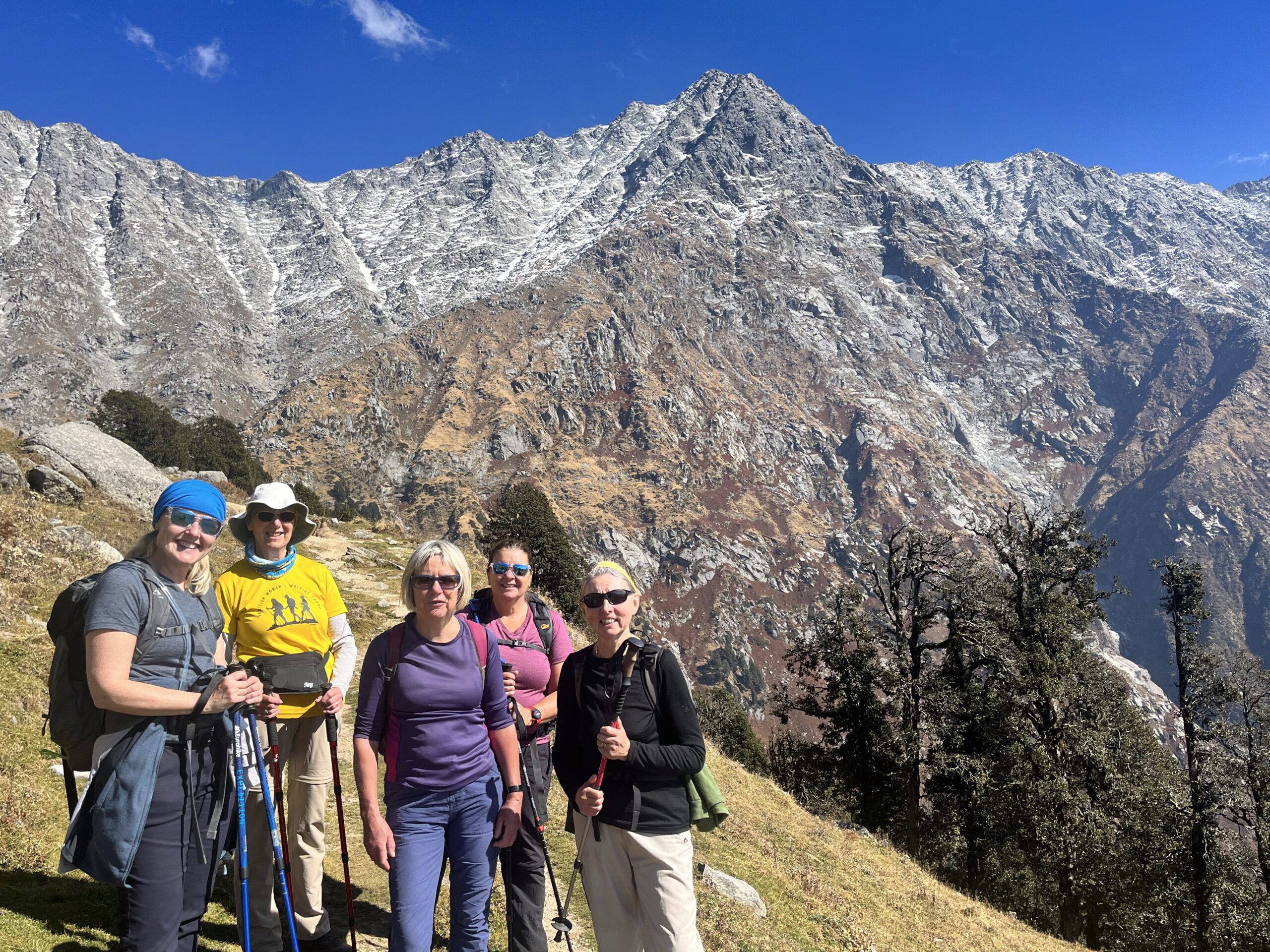
The route to Moon Peak passes through scenic locations such as Triund and Laka Glacier before entering demanding mountain terrain. Trekkers may encounter steep slopes, rocky ridges, boulder sections and deep snow, depending on the season. Proper fitness, suitable trekking equipment and experienced professional guidance are essential for this expedition.
The best seasons for the Moon Peak Expedition are generally April to May and September to November. Spring offers beautiful snow-covered trails, while the post-monsoon season provides clearer skies and impressive mountain views.
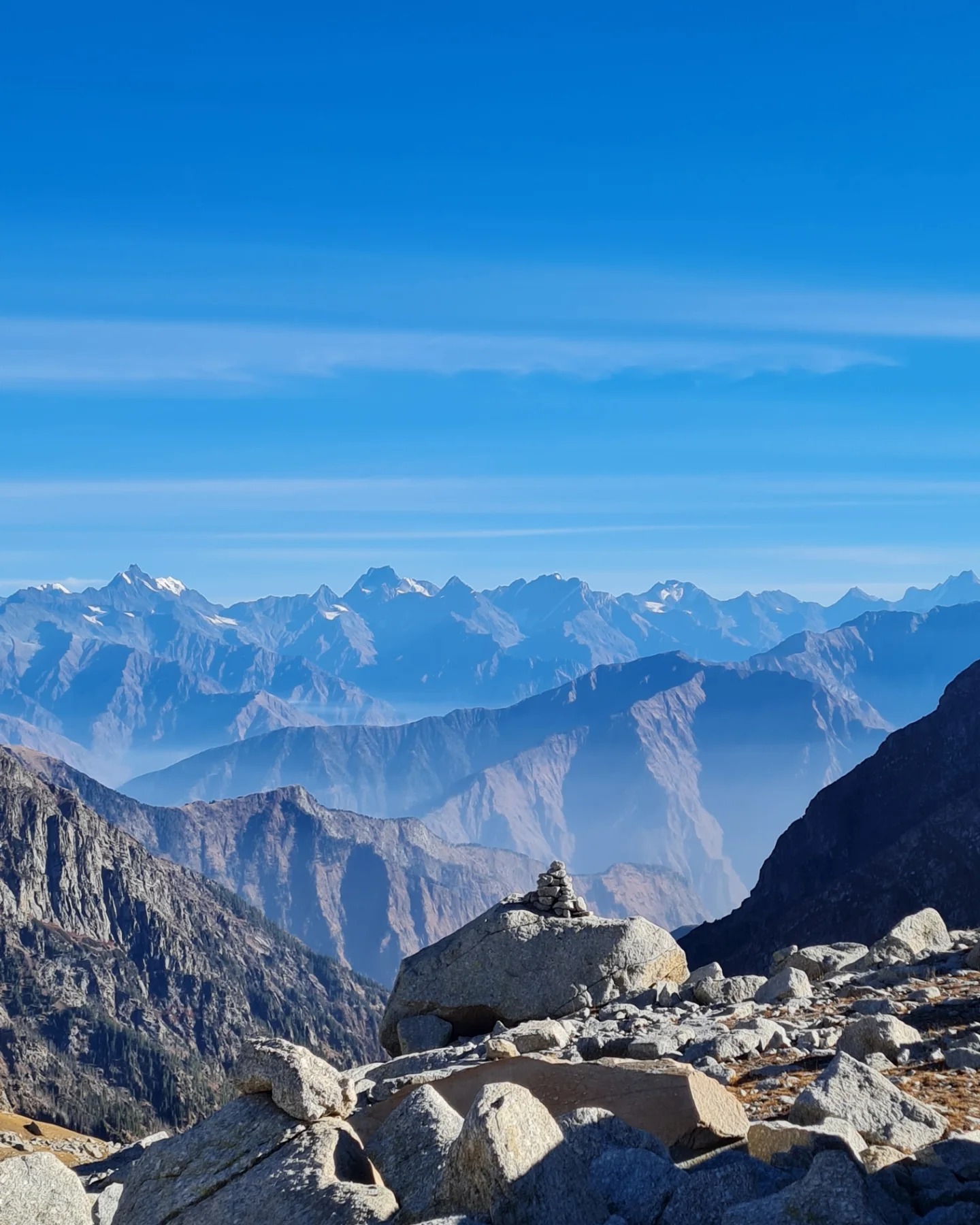
From the summit, trekkers can enjoy panoramic views of the Kangra Valley, the Pir Panjal Range and the surrounding Himalayan peaks. Reaching Moon Peak offers an unforgettable sense of achievement, making it one of the most rewarding high-altitude expeditions near Dharamshala.
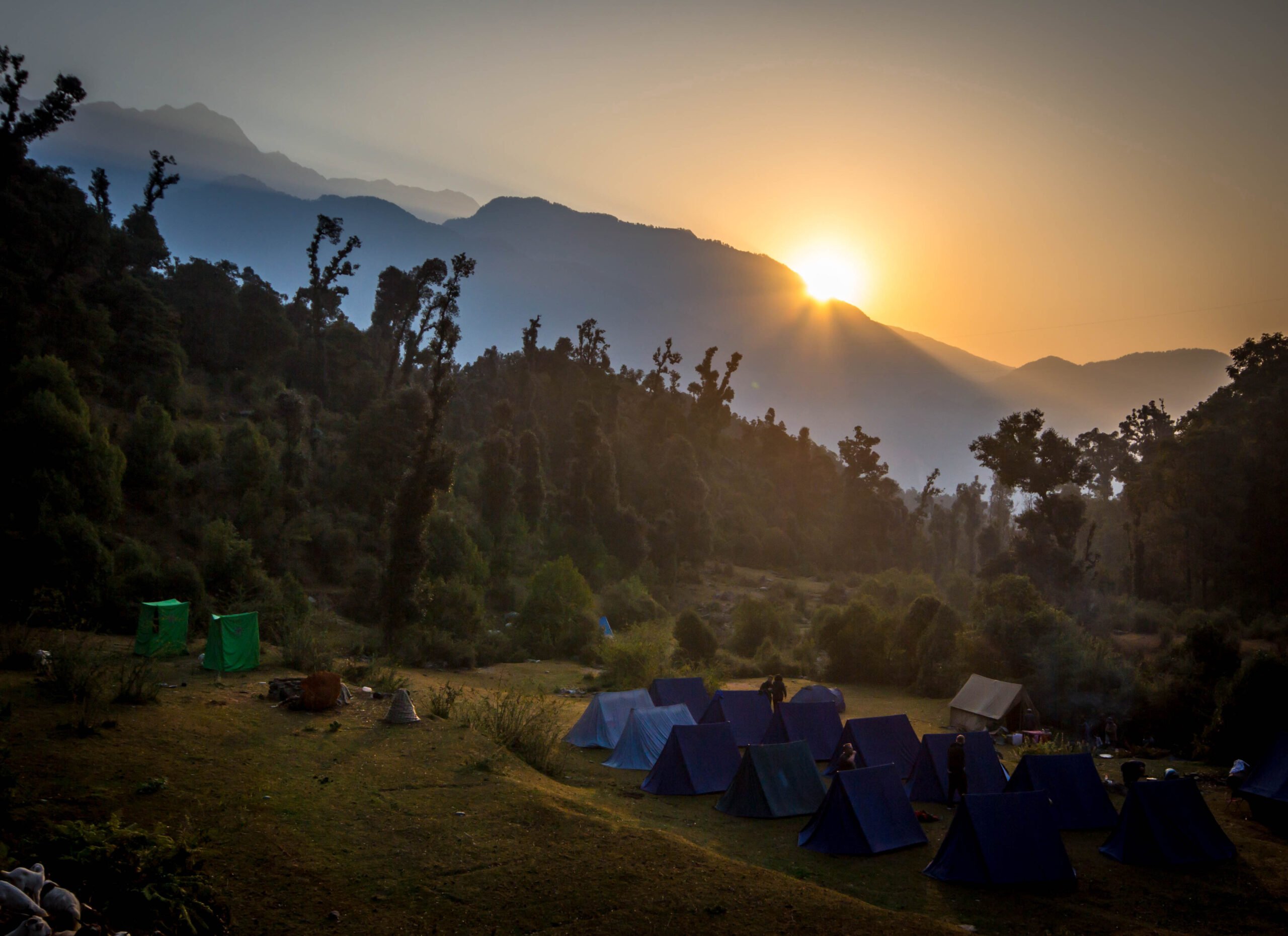
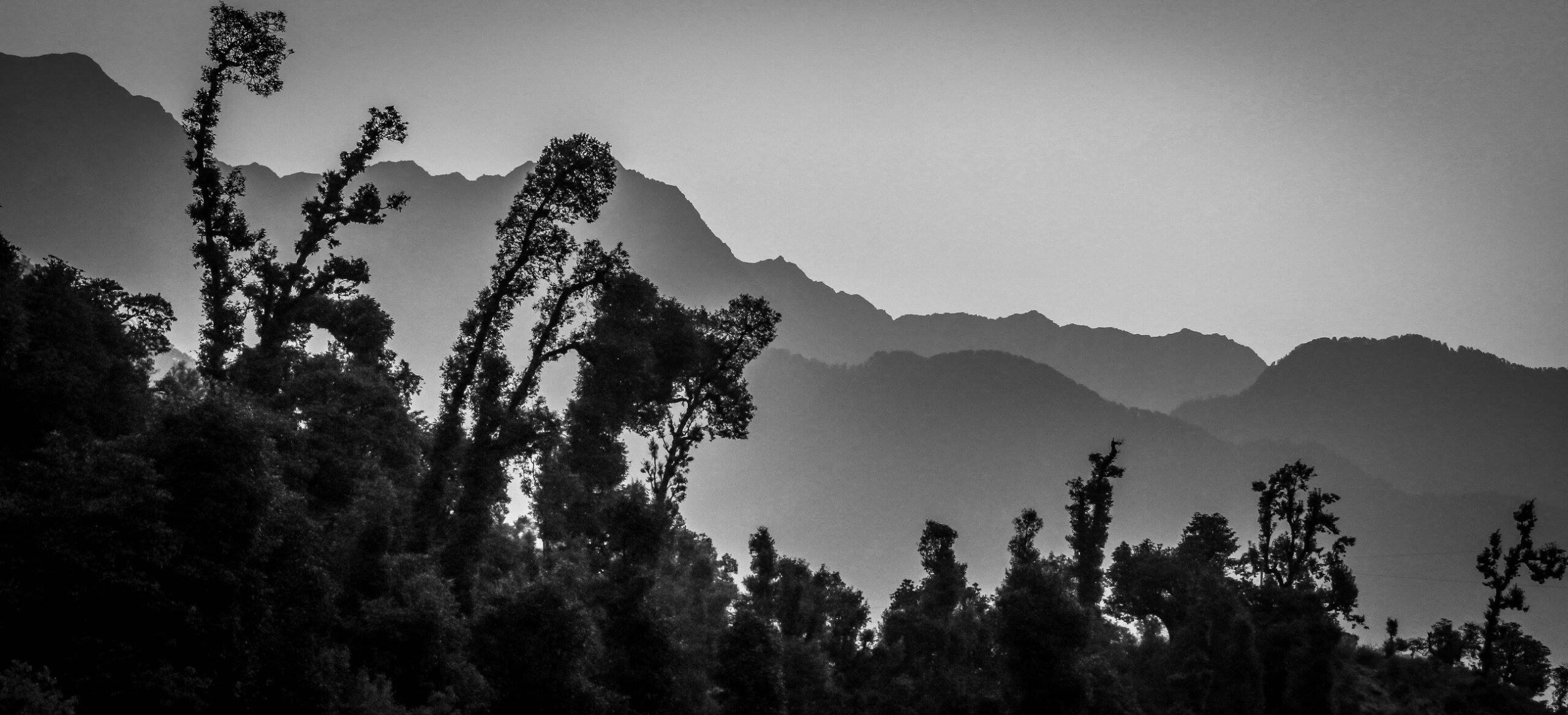
The journey begins at Bhagsunag, leading trekkers through a captivating 9 km trail to Triund, perched at an altitude of 2,875 meters. The route winds through Dharamkot and reaches Galu Temple, the starting point for the ascent. The initial stretch presents a steep climb of approximately four hours, meandering through a lush forest of oak, rhododendron, and deodar trees. Along the way, trekkers encounter the renowned Magic View café, one of the oldest chai shops in the region. This scenic rest stop, set against breathtaking mountain vistas, offers a perfect spot for refreshments and a must-have selfie moment. Beyond this point, the trail intensifies, with the final 45-minute stretch featuring 22 sharp turns, adding an element of thrill to the journey. As the climb progresses, the spectacular landscape unfolds, making every step rewarding. After a total trekking time of around six hours, we arrive at Triund, a stunning alpine meadow resting atop a ridge. From here, mesmerizing panoramic views of the majestic Dhauladhar ranges on one side and the vast Kangra Valley on the other create an unforgettable sight. As the sun begins to set, the sky transforms into a canvas of warm hues, offering one of the most mesmerizing moments of the trek. The evening is spent soaking in the tranquility of the surroundings before gathering for a delicious hot dinner. Under a starlit sky, we unwind and embrace the serenity of the mountains, making for an unforgettable overnight stay in our cozy campsite at Triund.
As the first light of dawn breaks over the towering peaks, we wake up to witness the mesmerizing sunrise from Triund. The golden rays gradually illuminate the vast expanse of the Kangra Valley, painting a breathtaking spectacle of nature. After soaking in this serene moment, we enjoy a hearty, hot breakfast amidst the crisp mountain air, preparing ourselves for the next leg of the adventure. The trail leads us further uphill towards the Snowline, a major highlight of the trek, offering a spectacular close-up view of the Laka Glacier and the mighty Dhauladhar peaks. As we ascend, the landscape transforms into a rugged, snow-clad paradise, making every step a thrilling experience. The final stretch takes us to Laka Glacier, where the vast expanse of ice and snow creates an awe-inspiring setting. Here, we immerse ourselves in the pristine beauty of the glacier, taking time to explore, capture stunning photographs, and revel in the sheer joy of being surrounded by snow. Upon reaching our campsite at Laka Glacier, we settle in and embrace the tranquility of this high-altitude wonder. The rest of the day is free for exploration, allowing us to soak in the raw beauty of the Himalayan wilderness. As night falls, we relax under the starlit sky, reminiscing about the day's adventure before retreating to our tents for a peaceful overnight stay at the Laka Glacier campsite.
The most challenging and exhilarating day of our trek begins before dawn, as we set out at 4 AM under the starlit sky. With headlamps lighting our way, we embark on a steep ascent over a rugged, rocky trail. As we climb higher, the terrain becomes more demanding, with no vegetation in sight—just vast expanses of raw, untamed wilderness. This stretch tests our endurance, making it the toughest and longest day of the trek, but the reward is well worth the effort. Navigating through the tricky paths leading to Lahesh Caves requires focus, but with the guidance of our experienced mountain guide, we push forward steadily. As the sun rises, its golden rays gradually illuminate the dramatic landscapes around us, adding to the surreal beauty of the journey. Finally, we reach the summit of Indrahar Pass (4,350M), where breathtaking panoramic views unfold before us. Towering Himalayan peaks stretch into the horizon, and the feeling of accomplishment is unparalleled. After taking in the magnificent sights, we begin our descent, carefully making our way towards Nag Dal Lake (4,200M). The shimmering high-altitude lake, nestled amidst the mountains, exudes a sense of tranquility and is also the base camp for the Moon Peak Expedition. As we settle into our campsite by the lake, the serenity of the surroundings offers the perfect setting to relax and reflect on the day’s incredible journey. Under the vast Himalayan sky, we spend the night in our tents, embraced by the crisp mountain air and the peaceful solitude of nature.
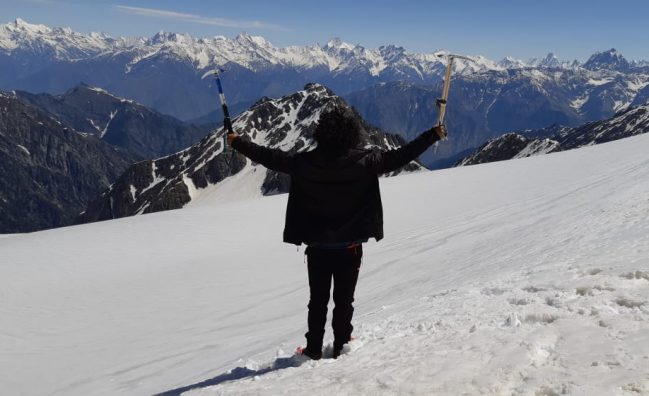
The journey to Moon Peak (4,633M) begins early in the morning, as we take advantage of the stable weather conditions before the afternoon clouds roll in. The trail ahead is both challenging and rewarding, offering an exhilarating ascent to one of the most spectacular vantage points in the region. During the early summer months of April to May, the route is blanketed in thick snow, requiring proper trekking gear and careful navigation. Post-monsoon, from September to November, the snow recedes, revealing a narrow yet defined trail leading up to the summit. As we push forward, each step brings us closer to the top, where the ultimate reward awaits. After approximately four hours of steady climbing, we reach the summit of Moon Peak, standing tall at 4,633 meters. From here, the Pir Panjal range of the central Himalayas stretches endlessly before us, an awe-inspiring panorama of towering peaks and vast landscapes. The breathtaking views make every challenge along the way worthwhile, leaving us with a profound sense of accomplishment. After spending time at the summit, soaking in the grandeur of the Himalayas, we begin our descent, carefully retracing our path back to Nag Dal Lake. As we arrive at our serene campsite, the sense of achievement lingers, and we spend the evening unwinding under the vast mountain sky. Another peaceful night in our tents marks the perfect end to this thrilling day.
As the sun rises over the high-altitude Nag Dal Lake, we begin our journey back, retracing our steps through the rugged beauty of Indrahar Pass. The early morning air is crisp, and the towering peaks stand as silent witnesses to our adventure. The descent is both thrilling and challenging, as we carefully navigate the rocky terrain, taking in the panoramic views of the vast Himalayan expanse one last time from this altitude. By the time we reach Laka Glacier, the familiar icy landscape welcomes us once again. A brief stop here allows us to rest and absorb the surreal beauty of the glacier before continuing towards Triund. The trail gradually changes from rocky outcrops to lush alpine meadows, offering a refreshing contrast to the stark high-altitude terrain we’ve left behind. As we descend further, the dense forests of oak and rhododendron greet us, filling the air with their earthy fragrance. Finally, we make our way back to McLeod Ganj, where civilization meets the wilderness. The sense of accomplishment is immense, and as we step onto the bustling streets, we carry with us the memories of towering peaks, starry nights, and the sheer thrill of conquering one of the most breathtaking treks in the Dhauladhar range. This marks the end of an unforgettable journey, leaving us with stories to cherish for a lifetime. End of Services
Challenging Ascent – An exciting climb with steep slopes, rocky ridges, and snow-covered paths (seasonal), making it an ideal adventure for seasoned trekkers.
Breathtaking Summit Views – Provides a 360-degree panoramic view of the Pir Panjal range, Kangra Valley, and Dhauladhar mountains, making it an unforgettable view.
Crossing Indrahar Pass (4,350M) – The trek involves crossing the renowned Indrahar Pass, a high-altitude mountain pass famous for its dramatic landscapes.
Diverse Landscape – Enjoy a blend of forested land, alpine meadows, rocky ridges, and glacial scenery, so the trip is varied and thrilling.
Seasonal Beauty – In April to May, the trail is snow-covered, necessitating the right equipment, whereas September to November provides a rocky but more transparent trail with breathtaking views.
Remote and Less Explored – Contrary to popular trekking spots, Moon Peak provides a serene and unconventional Himalayan experience, perfect for those seeking solitude.
High-Altitude Camping – Camp at Nag Dal Lake (4,200M) and Laka Glacier (3,200M), with peaceful nights under a star-filled sky with stunning mountain backgrounds.
Rich Himalayan Experience – An ideal trek for those who are looking for adventure, stamina, and stunning natural beauty in the midst of the Himalayas.
Note: Customization available