
Discover India’s Most Spectacular Dolphin-Watching Destinations
An unforgettable wildlife experience beyond the usual trek and mountain trail
Dolphins – sleek, playful, and endlessly charming – are among the most evocative creatures of the sea and river alike. But did you know that right here in India you can witness dolphins in a variety of habitats: from brackish lagoons and coastal surf to clear coral-waters and even major rivers? At Manu Adventures India, we believe in offering not just high-octane trekking, but also serene wildlife encounters. Here are five fantastic destinations in India where you can embark on a dolphin-watching excursion — complete with when to go, what to expect, and how to make it part of your broader itinerary.
1. Chilika Lake (Odisha)
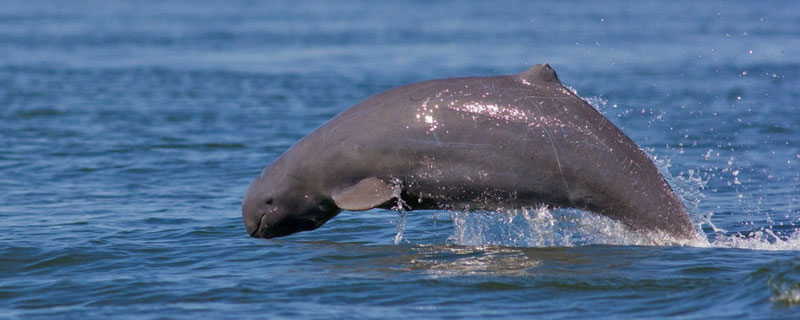

Located on the east coast of India in Odisha, Chilika Lake is often termed India’s dolphin capital. The rare and charismatic species known as the Irrawaddy dolphin can be spotted here, especially around the Satapada-Rambha region of the lagoon.
Best time to visit: November to February — the weather is pleasant and migratory birds also arrive, giving you the bonus of bird-watching alongside dolphins.
What to expect & tips:
- Early morning boat rides from Satapada give you the highest chances of spotting dolphins. Calm waters + soft morning light = magic.
- The Irrawaddy dolphins have a distinct rounded head and are very expressive; this makes them especially photogenic.
- Combine this with a stay in a lakeside resort or eco-camp for a full nature escape.
- As part of your itinerary, you could base in Puri or Dhauli region then drive to Chilika, or link it with your Odisha coastal circuit.
Why we love it at Manu Adventures India: It gives our international guests a unique non-mountain wildlife day trip—perfect as a pre- or post-trek add-on to Himachal or other circuits. Imagine watching dolphins in a lake, then the next day hiking Himalayan ridges!
2. Goa (West Coast)
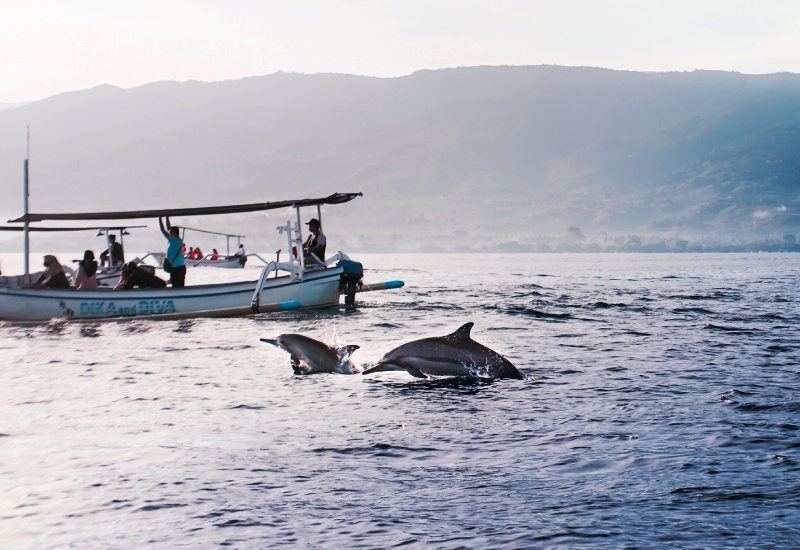

Often associated with sun, sand and party, Goa hides a more tranquil secret: dolphin-watching off its coast. Along beaches like SinQerim, Candolim, Calangute and Palolem, travellers regularly see Indo-Pacific humpback dolphins and bottlenose dolphins.
Best time to visit: October to May—especially early mornings when the sea is calm and the light is good for spotting and photographing dolphins.
What to expect & tips:
- Choose a calm-sea day and set off just after sunrise to increase the chances of dolphin sightings.
- Opt for small-group boat tours (rather than large speedboats) for a quieter, more respectful experience.
- After your dolphin trip, you can continue with Goa’s beach culture, spice-plantation tours, or convert it into a quiet nature break.
Why we include it: For clients who want an easy-access marine wildlife option (especially inbound international visitors), Goa delivers with reduced travel complexity. Plus: combine with beach relaxation or snorkeling.
3. Lakshadweep Islands
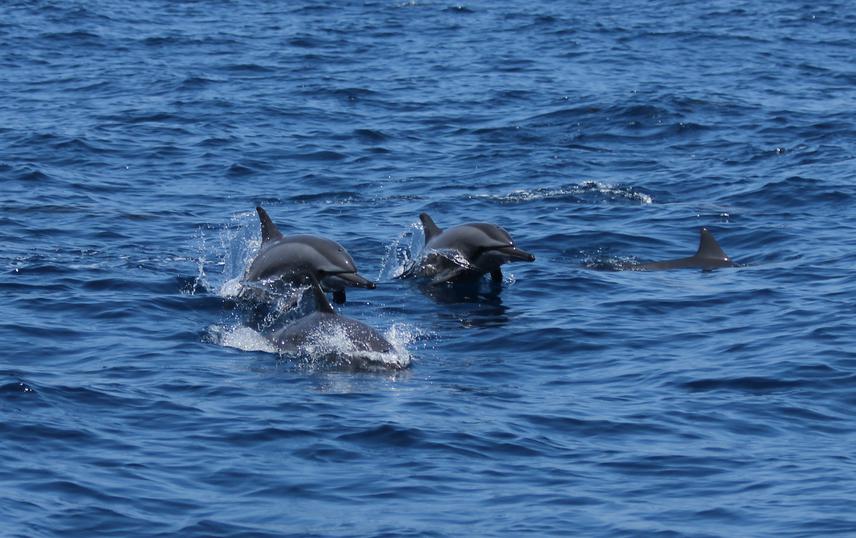
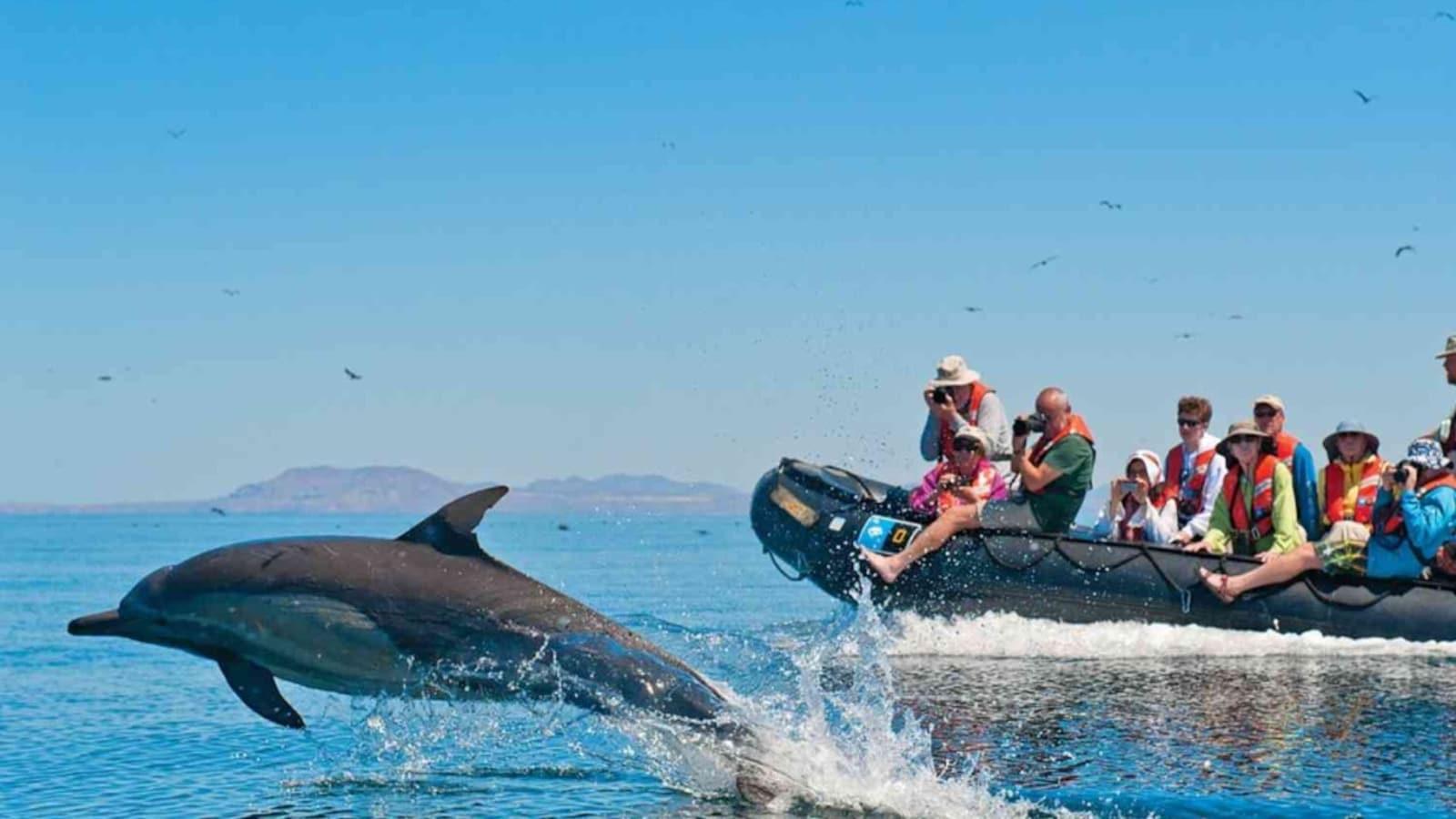
For the ultimate tropical-marine wildlife experience, the Lakshadweep archipelago is hard to beat. Clear turquoise lagoons, coral reefs and deep-sea horizons make this one of India’s most enchanting dolphin-watching destinations. Here you may see spinner dolphins, common dolphins and other species.
Best time to visit: November to March — the dry season ensures excellent visibility, calm seas, and optimal snorkeling/diving alongside dolphin encounters.
What to expect & tips:
- Many boat excursions depart at dawn to catch dolphins when they are most active.
- Consider linking dolphin watching with a snorkel or dive trip—seeing dolphins in coral-rich waters is unforgettable.
- Accommodation tends to be premium (resorts, beachfront huts) so plan early and tie into a wider island itinerary (e.g., Bangaram, Agatti, Kavaratti).
- Travel logistics: Flights or ships from Kochi; permits may apply for foreigners.
Suggested itinerary addition: A 3-4 night stay in Lakshadweep after a trekking tour allows a perfect contrast: high mountains and then laid-back islands with dolphins.
4. Andaman & Nicobar Islands

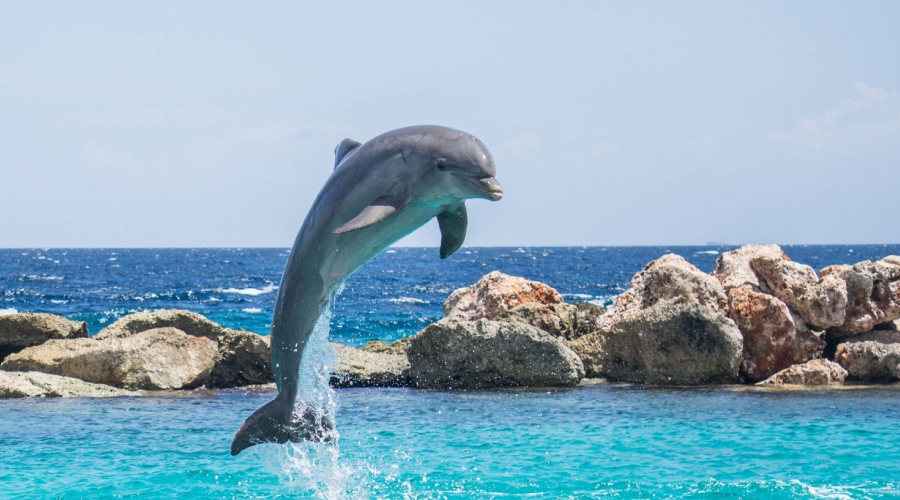
The Andaman & Nicobar Islands are a marine-wildlife paradise. Clear waters, reefs, diverse marine species—and dolphins playing and leaping in the open sea. Prime locations include Havelock Island and North Bay Island.
Best time to visit: November to April — ideal sea conditions, visibility and overall weather.
What to expect & tips:
- Combine your dolphin outing with reef snorkelling or glass-bottom-boat tours for a full marine experience.
- Stay in a resort on Havelock or nearby, with the excursion arranged by the hotel or local operator.
- Consider earlier morning or late afternoon for sightings — lighting and sea-state can hugely affect visibility.
- Because this is more remote than Goa, plan arrival (flight/ferry) and stay accordingly.
Why it fits the “Incredible India Treks – Manu” brand: After a demanding trek (e.g., in Himachal), you could unwind by heading to the Andamans for a marine wildlife leg—perfect contrast of landscapes.
5. Vikramshila Gangetic Dolphin Sanctuary (Bihar


Turning our attention to rivers — the Ganges holds its own spectacular dolphin story. The Vikramshila Gangetic Dolphin Sanctuary in Bihar spans a 60-km stretch of the river between Sultanganj and Kahalgaon. It is home to the rare Ganges River Dolphin — India’s national aquatic animal — which navigates blind via echolocation.
Best time to visit: October to March — when the water levels are favourable and visibility improved.
What to expect & tips:
- River-boat tours in the sanctuary region provide sightings of these fascinating mammals in their natural freshwater environment.
- Because these dolphins are less “showy” (they don’t leap as high as seaborn species), a slower pace and quiet observation reward you.
- Combine with cultural visits in the Ganges-Bihar region: temples, heritage towns, and rural riverside life.
- Ideal for travellers seeking something off the beaten path, away from beach resorts and crowds.
Why this matters: At Manu Adventures India we aim to offer distinctive wildlife experiences — not just typical. The river dolphin outing is a great complement to Himalayan treks and can be integrated into a longer India tour that blends mountains, rivers and sea.
How to Choose the Right Destination & Trip Plan
🎒 Match to Your Trip Style
- If you want easy access + moderate cost, go for Goa.
- If you’re seeking a tropical-island paradise, Lakshadweep or Andaman are ideal (but budget and logistics are more).
- If you want a combo of nature + birds + calm boat rides, Chilika Lake is perfect.
- If you want a unique river wildlife and cultural mix, the Gangetic Dolphin Sanctuary in Bihar stands out.
🗓 Timing Matters
- Coastal/sea destinations: typically October–May.
- River destinations: October–March.
- For best light, calm water, and maximum sightings — choose early morning excursions.
- Avoid monsoon heavy-wave months for sea trips (for safety/visibility) and for river trips avoid high flood levels.
👜 Practical Tips for Travellers
- Choose tours run by responsible operators who respect wildlife — no high-speed chase of dolphins.
- Bring a binocular, camera with zoom, sun-hat, and sunscreen for boat trips.
- Duplicate expectations: dolphins are wild animals — sightings may depend on conditions.
- Combine your dolphin-watching with other activities (snorkel, bird-watch, cultural site) for a fuller experience.
- Especially for remote islands, allow buffer days for travel delays.
🌍 Integration into Your India Travel Plan
At Manu Adventures India, we love helping clients integrate experiences across terrain types:
- Start with a mountain trek in Himachal (e.g., Dharamsala region) or the Himalayas.
- Then add a wildlife-oriented stop: for example Chilika Lake or Gangetic river trip.
- Finish with a relaxing coastal/island leg: Goa, Lakshadweep or Andaman.
This gives you mountains → wildlife → ocean — a full “Incredible India” tapestry.
Why Dolphin-Watching Adds Value to Your Travel
- Emotional impact: Watching a dolphin glide, breach, spin or surface unexpectedly creates a memorable “wow” moment.
- Photographic opportunity: Water + light + wildlife = instant visual drama (great for your social media, especially if you’re an Instagram-savvy traveller).
- Wildlife awareness: Many of these species (especially river dolphins) are vulnerable. Observing them in a respectful way connects you to conservation.
- Contrast & rest: After hiking high trails and enduring cold nights, a boat ride on a placid lagoon or a turquoise reef is the perfect recovery and reward.
- Unique selling point: For international guests of Manu Adventures India, combining treks with marine wildlife scenes creates a travel story unlike many typical “trek-only” itineraries.
Sample 10-Day Itinerary Snippet: “Himalayas to Dolphins”
Here’s how you might slot a dolphin-watching leg into a broader 10-day itinerary:
- Days 1–4: Arrive Delhi/Chandigarh → Transfer to Dharamsala → Trek region around McLeod Ganj and Kareri Lake.
- Day 5: Return from trek, rest and transfer.
- Day 6: Fly or train to Bhubaneswar (for Chilika Lake) → Arrival, lakeside resort.
- Day 7: Early morning boat ride at Chilika → Sight dolphins + birds → Afternoon nature walk & village visit.
- Day 8: Travel to Puri/Konark or relax by the Coast.
- Day 9: Relaxation or optional drive to beaches.
- Day 10: Return to airport, fly home.
This itinerary gives your guests the mountain adventure + wildlife + coastal chill in one seamless trip.
Final Thoughts
Ocean or river, coast or lagoon — India offers dolphin-watching experiences that are rich, varied and surprisingly accessible. At Manu Adventures India we encourage travellers to go beyond the obvious, to look for moments of wonder in nature’s quieter corners. A slow boat on a glassy lake, a dolphin surfacing beside your craft, the soft dawn light on shimmering water — these are the memories that linger long after the trek boots are stored away.
So the next time you’re planning a trek or a curated nature-tour, ask yourself: should we add a dolphin-watching leg? It might just turn a great journey into an exceptional one.
Happy trails and gentle waves from the Manu Adventures India team!
