
THE MANU ADVENTURES INDIA TRAVEL JOURNAL
Travel in India: A Practical Planning Guide
From Himalayan trails and Rajasthan’s historic cities to Kerala’s backwaters, India rewards a journey planned around your interests, the season and a comfortable pace.
Use this guide to choose a region, shape an itinerary and understand the transport, accommodation and booking details that make a trip work.
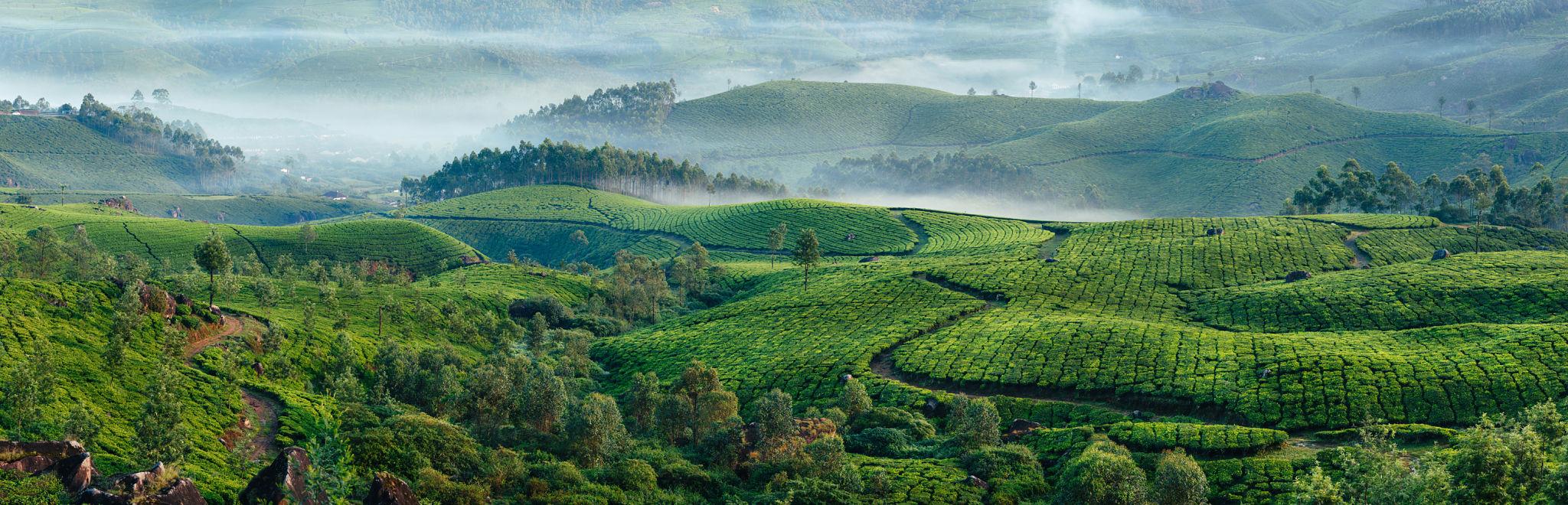
A slower journey leaves room for landscapes, local food and everyday life.
Start with the kind of journey you want
India is too large to experience well as a checklist. Pick a main theme, select a manageable route and leave room between major travel days. A heritage tour, a family holiday and a mountain trek need different schedules and preparation.
Culture & heritage
Explore Delhi, Agra and Rajasthan through architecture, neighbourhood walks, markets and regional food. Build in time for guided visits and quieter breaks between busy city days.
Himalayan nature & trekking
Choose Dharamshala for Tibetan cultural sites, village walks and access to Dhauladhar trails. Match any trek to your fitness, travel dates and the conditions on the selected route.
Coast, backwaters & slower travel
Kerala and coastal routes can balance countryside, local cuisine and time by the water. Reduce the number of hotel changes if rest and a relaxed pace are priorities.
Choose your region before your route
Delhi, Agra & Jaipur
A compact introduction to North Indian heritage, often called the Golden Triangle. Keep arrival and departure days realistic, check monument opening days and allow for traffic between cities.
Rajasthan beyond Jaipur
Add Jodhpur, Udaipur or Pushkar for a longer journey through forts, lakes and old towns. Choose a logical sequence; the road distances make frequent one-night stops tiring.
Dharamshala & Himachal Pradesh
Combine McLeod Ganj, Bhagsunag and Kangra Valley sightseeing with walking. Read our Dharamshala tour planning guide for a practical starting itinerary.
Kerala & South India
Backwaters, tea-growing hills, coastal towns and cultural stops offer a different rhythm. Pick a small number of bases and check the local rainfall pattern for the places you plan to visit.
Ladakh & higher Himalayan routes
Plan around road access, altitude and time to adjust. These journeys need more preparation than a low-altitude sightseeing holiday; confirm the route, permits and operating season before committing.
Wildlife & specialist interests
Safaris, photography and spiritual journeys work best with focused planning. Park access, permits and timed visits vary, and wildlife sightings cannot be guaranteed. Confirm availability before arranging connections.
When to visit India
Choose your destination and activity together. Coastal weather, the northern plains and high mountain trails follow different patterns; a good season for one region can be unsuitable for another.
Cooler months · roughly October–March
Often a comfortable starting point for plains-based sightseeing and many heritage routes. Expect seasonal differences, cool northern mornings and busy holiday periods. High mountain trails may be snowbound.
Warmer months · roughly April–June
Heat becomes a major factor in many cities. Schedule gentler sightseeing and consider suitable hill destinations. Himalayan trail access still depends on elevation, snow and the specific route.
Rain & regional exceptions
Monsoon conditions affect much of India during summer and early autumn, with timing varying by region. Roads and treks can be disrupted. Some southern and high-altitude areas have different patterns, so check locally.
Use Incredible India’s weather information for a regional overview, then check current forecasts and road conditions close to departure. Keep a buffer for weather-sensitive journeys.
Three sample routes to help you plan
These are suggested route outlines, rather than fixed departures. Travel time, opening days and your arrival schedule determine the final itinerary.
7 days · Golden Triangle
Days 1–2: arrive in Delhi and explore selected city highlights.
Days 3–4: travel to Agra and plan your monument visits.
Days 5–6: continue to Jaipur for heritage sightseeing and local exploration.
Day 7: depart from a suitable airport or allow time to return to Delhi.
10 days · Culture & Dharamshala
Days 1–2: Delhi arrival and sightseeing.
Day 3: travel to Dharamshala.
Days 4–6: McLeod Ganj, Tibetan heritage and Kangra Valley.
Days 7–8: a suitable guided walk or trek, or extra sightseeing.
Days 9–10: return connection, buffer and departure.
14 days in Kerala: start with Kochi, continue to hill country, then include backwaters and a coastal stay. Divide the nights to suit your pace rather than moving every day. Confirm the practical arrival and departure airports before reserving accommodation.
Getting around: flights, trains & road journeys
Domestic flights
Flights can save time between distant regions. Compare the full journey including airport transfers, baggage allowances and connection buffers. Avoid tightly connecting a weather-sensitive mountain flight with an international departure.
Rail travel
Trains can connect major cities and add variety to a trip. Reserve the class and berth arrangement you want; confirm ticket status, station name and arrival time. Arrange your onward transfer from the correct station.
Private vehicles & local travel
A private vehicle offers flexibility for multi-stop routes and hotel transfers. Confirm vehicle category, luggage capacity, route, driver arrangements and included charges. Walking may still be required in old towns and mountain villages.
Measure a route in journey time as well as kilometres. City traffic, mountain roads and seasonal conditions can make a short-looking transfer take much longer than expected. Keep fewer stops on days with long travel.
Budgeting & choosing accommodation
Build a complete trip budget
Include accommodation, transport, guide services, attraction tickets, meals and planned activities. Add international travel, insurance, personal spending and a contingency separately. Price changes with dates, hotel category, room sharing and group size.
Ask whether parking, tolls, taxes, driver expenses and activity charges are included. Confirm the quoted currency, payment schedule and cancellation terms before paying.
Choose hotels for the way you travel
Location and access matter as much as a star rating. Ask about stairs, lift access, road access, room type, heating or cooling, meal plan and the distance from restaurants. Mountain properties may require a walk from the vehicle drop-off.
Share accessibility needs, dietary requests and preferences for quieter areas early. Confirm the actual accommodation or agreed category in writing.
Entry requirements & practical essentials
Documents & permissions
Check passport and visa requirements for your nationality and purpose of travel through the official Government of India visa portal. Review any arrival formalities and permitted entry points before booking.
Some destinations and protected areas require additional permissions. Ask what applies to your exact route and keep copies of confirmed bookings and travel documents.
Packing & everyday planning
Pack for the region and activity: comfortable walking shoes, sun and rain protection, suitable layers, a reusable bottle and essential personal items. A Himalayan trek needs a separate equipment list.
Carry payment options suitable for your route and confirm access to cash in remote areas. Keep important contact details available offline. Consult a qualified travel-health professional for personal health preparation.
Choose travel insurance suited to your planned activities and route. If trekking is included, check the policy’s altitude and activity limits and emergency arrangements rather than assuming standard holiday cover applies.
Travel thoughtfully, with room to adapt
Dress and behave respectfully at religious sites, ask before photographing people and follow local rules about shoes and photography. Use local guides where they add context, avoid single-use waste where practical and carry litter out of natural areas.
For mountain activities, select a route that suits the group, follow guide advice and accept changes when conditions require them. A flexible itinerary makes it easier to respond to weather, traffic or closures without rushing the rest of the holiday.
India travel planning FAQs
How many days should I spend in India?
For a first trip, 10–14 days gives you time for one main region or a carefully connected route. With a week, choose fewer stops. Longer journeys can combine regions, but allow for flights, train travel, rest and weather delays.
Where should I go on my first India trip?
Choose by interest. Delhi, Agra and Jaipur suit a heritage-focused introduction; Dharamshala combines Tibetan culture and mountain scenery; Kerala suits a slower trip with backwaters and hill country. Avoid trying to cover all three in a short holiday.
When is the best time to travel in India?
There is no single best month for the whole country. Many plains and heritage routes suit cooler months, while Himalayan trekking seasons depend on altitude and snow. Check the specific region, route and current forecast before booking.
Do I need a visa to visit India?
Entry requirements depend on your nationality, passport and purpose of travel. Use the official Government of India visa portal to check the current rules, approved arrival points and any separate arrival requirements. Do not assume every traveller qualifies for an e-Visa.
Can I combine an India tour with a Himalayan trek?
Yes, with enough time and a suitable season. Add a short guided trek near Dharamshala to a cultural trip, or make trekking the main focus. Longer or higher routes need a separate fitness, equipment and acclimatisation plan.
How much does an India trip cost?
The total depends on dates, hotel category, number of travellers, transport, guide services, attraction tickets and activities. Ask for an itemised quote covering the complete route and compare inclusions rather than a headline daily rate.
Can Manu Adventures India customise my itinerary?
Yes. Share your dates, group size, arrival and departure points, hotel preference, interests and walking experience. Our Dharamshala team can prepare a private tour or trekking proposal with clear inclusions and exclusions.
Are accommodation, meals and transfers always included?
Only services listed in your written quotation are included. Confirm the hotel standard, room sharing, meal plan, airport or station transfers, sightseeing vehicle, guide, tickets and trekking arrangements before paying.
Plan your India journey with Manu Adventures India
Our Dharamshala team plans private India tours and guided Himalayan treks around your dates, interests and pace. Send your group size, arrival and departure points, preferred hotel standard and the experiences you want most.
We will prepare a suitable proposal with the route, accommodation arrangements and clearly listed inclusions. Explore our travel services, meet the team and review the refund policy before confirming your booking.