
The Manu Adventures India field guide
10 Best Himalayan Treks in India
Find the right trail for your experience, season and sense of adventure—from a first walk above Dharamshala to longer journeys through high Himalayan valleys.
Start with the experience you want
Which Himalayan trek is right for you?
The best Himalayan treks in India offer very different experiences. A short forest climb above McLeod Ganj, a week of alpine lakes in Kashmir and a high-altitude journey in Sikkim should not be judged by the same checklist.
This is a curated shortlist, not a universal ranking. We have kept ten contrasting routes so you can compare landscape, effort and seasonal fit. “Moderate” is a broad planning label: snow, altitude, daily ascent, pack weight and your own preparation can make a route feel considerably harder.
Your first mountain trip
Start with a manageable route
Consider Triund for a guided day walk, or Kareri Lake if you are ready for an overnight trek. Build confidence before choosing a higher objective.
A journey through changing scenery
Allow several walking days
Compare Hampta Pass, Har Ki Dun and Kashmir Great Lakes. The daily effort and camping routine matter as much as the views.
A more demanding challenge
Bring mountain experience
Indrahar Pass and Goechala require more preparation. Choose an itinerary that gives you time to acclimatise and respond to conditions.
The shortlist at a glance
Compare the best Himalayan treks in India
These are typical planning windows, not live opening dates. Confirm weather, snow, road access, permissions and the exact itinerary before booking.
On a phone, swipe the comparison table sideways to see every column.
| Trek | Region | Walking demand | Typical season |
|---|---|---|---|
| Triund | Himachal Pradesh | Moderate day hike | March–June; September–November |
| Hampta Pass | Himachal Pradesh | Moderate to demanding | June–September, subject to snow |
| Kareri Lake | Himachal Pradesh | Moderate | April–June; September–November |
| Indrahar Pass | Himachal Pradesh | Demanding | May–June; September–October, conditions permitting |
| Bhrigu Lake | Himachal Pradesh | Moderate to demanding | May–October, with snow and monsoon checks |
| Valley of Flowers | Uttarakhand | Moderate | July–September for flowers; check park opening |
| Kedarkantha | Uttarakhand | Moderate; harder in snow | December–April for winter conditions |
| Har Ki Dun | Uttarakhand | Moderate multi-day trek | April–June; September–November |
| Kashmir Great Lakes | Jammu & Kashmir | Moderate to demanding | July–September; access must be confirmed |
| Goechala / Dzongri route | Sikkim | Demanding high-altitude trek | April–May; October–November |
Winter and monsoon trips need route-specific judgement. A seasonal recommendation is not a promise of snow, flowers, clear skies or trail access.
A closer look at each route
Ten trails, ten different reasons to go
Triund trek
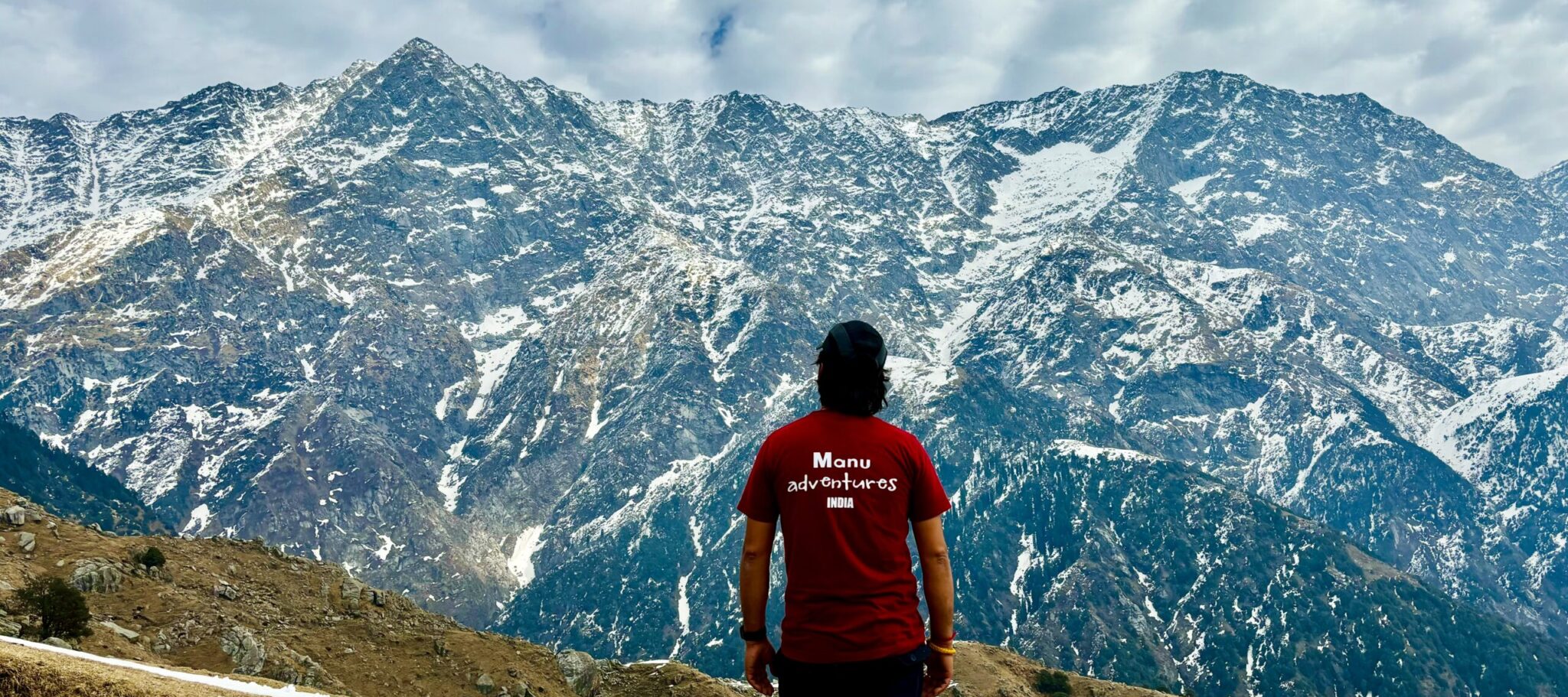
Triund offers a rewarding introduction to the Dhauladhar mountains above McLeod Ganj. Forest paths give way to an open ridge, with the Kangra Valley below and a wall of mountains ahead. It suits travellers who want a mountain experience without committing to a long expedition.
Best fit: A first guided Himalayan walk.
Hampta Pass trek
Hampta Pass is a strong choice for trekkers drawn to changing landscapes. The route climbs through the greener Kullu side before crossing towards the stark terrain of Lahaul. Meadows, streams and a high pass give the journey a sense of progression rather than a simple out-and-back walk.
Best fit: A varied multi-day mountain journey.
Kareri Lake trek
Kareri Lake combines village approaches, woodland and mountain scenery in the Dhauladhar range. It is a useful step from day walks towards a multi-day trek, especially for travellers who enjoy streams, rocky paths and the quieter rhythm of camping.
Best fit: A shorter camping trip near Dharamshala.
Indrahar Pass trek
Above the Triund area, Indrahar Pass leads into steeper, rougher Dhauladhar terrain. The approach commonly includes Laka Got and the Lahesh Cave area before the final climb. The appeal is the feeling of moving beyond the familiar lower trails towards a serious mountain pass.
Best fit: Experienced walkers seeking a higher objective.
Bhrigu Lake trek
Bhrigu Lake is known for broad alpine meadows and an open mountain setting near Manali. It appeals to walkers who prefer expansive slopes and changing skies to a route spent mostly in dense forest. The lake is the objective, but the approach is a large part of the experience.
Best fit: Open meadow scenery above Manali.
Valley of Flowers trek
The Valley of Flowers is a distinctive choice for travellers interested in mountain plants and seasonal colour. Ghangaria is the usual overnight base for visits into the valley, so this experience differs from a moving-camp trek over a high pass. Flowering changes through the season; no single date guarantees every species in bloom.
Best fit: Alpine flora and photography.
Kedarkantha trek
Kedarkantha is popular for forest camps and a summit-style mountain day, often approached from the Sankri area. In winter, snow changes the character of the trail and makes preparation especially important. It can be an option for fit newcomers who choose a supported itinerary and understand what a cold-weather trek involves.
Best fit: A guided introduction to snow trekking.
Har Ki Dun trek
Har Ki Dun offers a different rhythm from a summit-focused itinerary. Forests, riverside sections and the settled landscapes of the Garhwal Himalaya lead towards a broad mountain valley. It is a good shortlist option for travellers who enjoy the journey between camps as much as reaching a single viewpoint.
Best fit: Valley scenery and village landscapes.
Kashmir Great Lakes trek
Kashmir Great Lakes is a compelling choice for walkers who want a succession of lakes, meadows and mountain passes. Rather than returning to the same base each evening, a typical itinerary moves between remote camps and reveals a different landscape as the journey unfolds.
Best fit: Alpine lakes and long days outdoors.
Goechala / Dzongri route trek
The Yuksom–Dzongri–Goechala route combines rich forest with open high-mountain landscapes and views towards the Kanchenjunga massif. It is one of the most distinctive longer journeys on this list, with a strong contrast between the lower forest stages and the exposed upper valley.
Best fit: Experienced trekkers seeking eastern Himalayan views.
Make the shortlist work for your trip
How to plan a Himalayan trek
Compare complete itineraries
Look beyond the destination name. Ask where the trip starts, which days are spent driving, how long you walk each day and where you sleep. A trek advertised as “five days” may include transfers, while another counts only time on the trail.
For higher routes, make room for acclimatisation and delays. A summit or pass is an objective, not a guarantee. Your guide may change the plan when conditions are unsuitable.
Check what the price includes
Compare guide support, meals, transport, tents, sleeping equipment, permits and porter arrangements. Ask what happens if weather changes the route and which extra costs remain your responsibility. Confirm that your insurance covers your planned trekking activity and altitude.
Prepare for the walking
Build up regular walks, stairs and hill outings before departure. Practise with the footwear and daypack you intend to use. Several consecutive days on uneven ground can be more demanding than a single long walk at home.
Pack for changing conditions
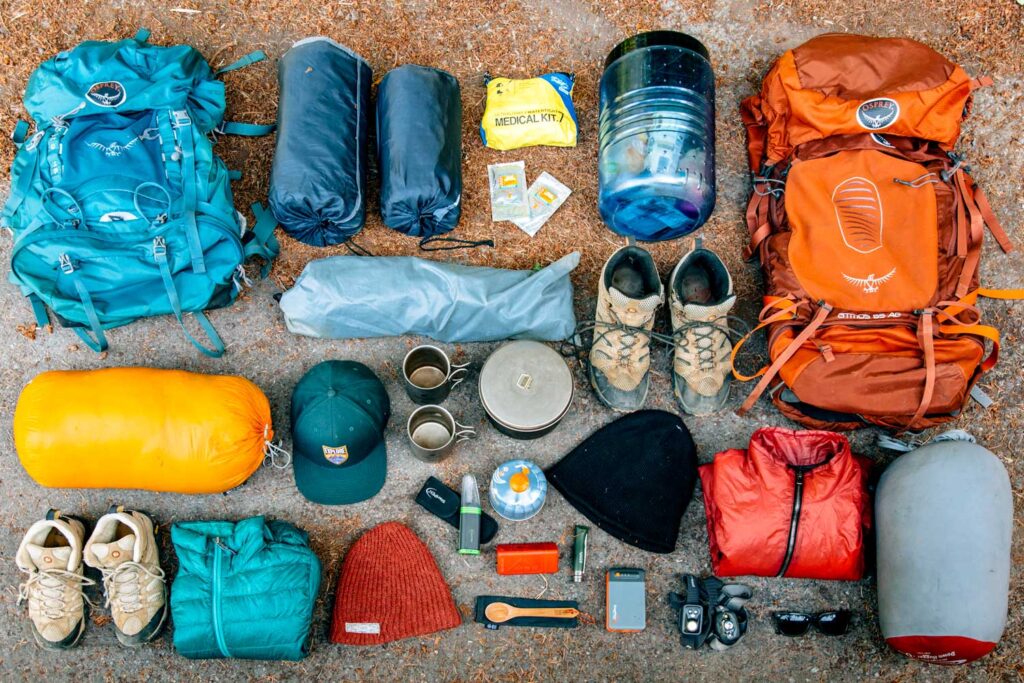
- Comfortable, broken-in trekking footwear and spare socks.
- Warm layers plus wind and rain protection.
- A daypack, reusable water bottle and sun protection.
- A headtorch, personal essentials and any prescribed medicines.
- Route-specific equipment confirmed with your guide.
Tell your guide promptly if you feel unwell. If you have a health condition or concerns about altitude, discuss the proposed itinerary with a qualified clinician before travel.
Keep your impact small
Use approved campsites, carry out litter and avoid disturbing wildlife. Stay on established paths where required, keep water sources clean and respect local customs. Ask before taking close photographs of people or entering religious spaces. Hiring local guides and using local services can help your trip support the communities you visit.
For a gentler mix of walking and culture, explore our five-day Dharamshala itinerary. If you already know the region you want, compare our Himalayan trekking itineraries and discuss the current options with the team.
Questions before you go
Himalayan trekking FAQs
Which Himalayan trek is best for beginners?
For an active first-time walker, a guided Triund itinerary is a practical starting point. Kareri Lake can suit those ready for consecutive walking days. Winter Kedarkantha needs more preparation and suitable equipment. Choose by current fitness, season and daily walking demands rather than the word “easy”.
What is the best time for Himalayan trekking in India?
There is no single best month for all regions. Many lower Himachal routes are popular in spring and autumn; higher passes usually need the summer snowmelt window. Kashmir Great Lakes is normally a summer route, Valley of Flowers is associated with the monsoon flowering season, and selected Uttarakhand routes offer winter trekking.
How many days should I allow for a trek?
A short route may fit into a day or an overnight trip from its local base, while longer Himalayan journeys need several trekking days plus transfers. Compare complete itineraries, including travel, acclimatisation and contingency time. Do not shorten a high-altitude route simply to match a flight booking.
Can I trek in the Himalayas without a guide?
Guide requirements depend on the route and current rules. A qualified local guide is especially useful for unfamiliar terrain, snow, remote camps and changing weather. Check the route’s requirements and choose support appropriate to your experience; a popular trail is not automatically suitable for an unsupported trek.
Do Himalayan treks need permits?
Some routes pass through forests, national parks or restricted areas. Requirements vary by destination and nationality and may change. Ask your operator to confirm the current permissions, documents, fees and approved campsite arrangements for your exact route and dates.
How much does a Himalayan trek cost?
Cost depends on the route, number of days, group size, season and support included. Compare guides, transport, meals, camping equipment, permits, porter arrangements and contingency costs. Request an itemised quote instead of comparing headline prices alone.
Is a short trek always easier than a long trek?
No. A short itinerary can involve steep climbing or rapid altitude gain, while a longer one may allow a gentler pace. Bhrigu Lake is an example where the daily ascent matters as much as the number of days. Check elevation changes, terrain and walking hours together.
Can Manu Adventures India help me choose a route?
Yes. Share your travel dates, available days, recent walking experience and preferred comfort level with our team. We can recommend suitable options from our current trekking programme and explain the arrangements before you book.
Choose a trek that suits you
Let’s plan your Himalayan journey
Tell us your dates, available days, group size and recent walking experience. Our team in Dharamshala will help you compare suitable options and confirm the itinerary, support and price.
Ask our team about a trek →Further reading & route checks
This guide is general planning advice. Check current access and operating conditions for your chosen route.