
INDIA TRAVEL JOURNAL
Explore Ladakh’s dry mountain landscapes with a plan that gives altitude, road access and local communities the attention they deserve.
By Manu Adventures India · Updated 6 November 2026
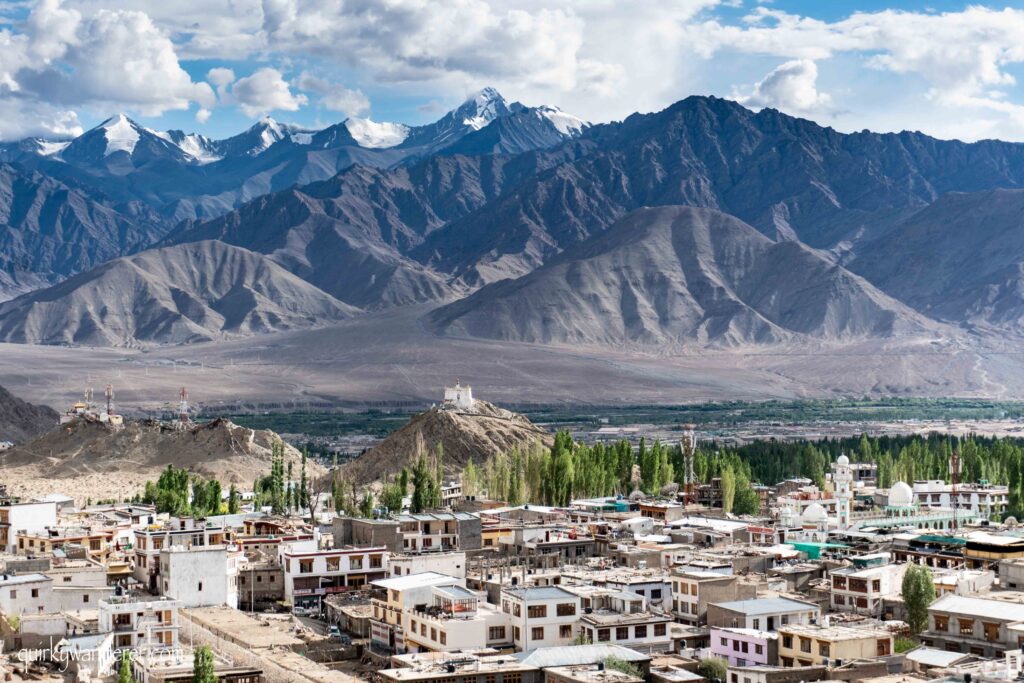
The cold-desert landscape is shaped by high mountains, limited rainfall and strong seasonal contrasts. Around Leh and the wider region, bare slopes, river valleys and cultivated settlements sit close together. The appeal is not an empty wilderness: villages, monasteries and working landscapes are part of the journey.
Plan time in Leh before travelling to higher places. The Leh administration advises at least 48 hours of acclimatisation before visiting higher-altitude areas such as Khardung La and Pangong. Consult current official guidance and discuss individual health concerns with a qualified clinician before travel; a road itinerary still involves altitude.
Choose a few compatible stops rather than attempting every famous place. A Leh-based introduction can include nearby cultural visits, while Nubra or Pangong needs a separate road plan. Confirm the permitted route, overnight locations and local access requirements for your nationality and dates.
Pack for cold and strong sun, carry reusable water supplies where refilling is safe, and respect water scarcity in settlements. Road conditions and high passes can change plans. Keep buffer time for the journey home and use accommodation and transport providers who explain their local arrangements clearly.
Further planning: Ladakh travel advisories. Check current information before making fixed bookings.
A useful first decision is whether your main interest is everyday life around Leh, monastery architecture, a valley stay or a longer trekking journey. Each choice needs a different balance of road time and time on foot. Write down two priorities before comparing itineraries. A lake photograph may attract you to the region, but an enjoyable holiday also depends on comfortable overnight stops, meals and enough recovery time between journeys.
For a shorter visit, build the programme around a settled base rather than changing hotels every night. After following the required arrival and acclimatisation advice, add nearby cultural visits only when appropriate, then consider one further region. A longer holiday can include additional valleys, but the route should be reviewed as a whole: the height of each overnight stop matters alongside the distance driven.
Check whether your room has the heating, hot water and bathroom facilities you expect. Confirm which meals are available at remote stays, how dietary requirements will be handled and whether your driver remains with the group. Ask for a clear explanation of optional excursions and road transfers so a quoted package can be compared fairly with another proposal.
Pack sunglasses, sun protection, warm layers and a windproof outer layer where appropriate. Keep essentials accessible during drives rather than buried under luggage. Download the accommodation details and route information before heading away from a reliable connection. Conditions vary considerably between Leh and more remote stops, so discuss charging and communication arrangements in advance.
Allow time to notice the relationship between cultivated land, water and settlements instead of treating the cold desert as a series of empty viewpoints. Use designated stopping places, avoid driving or walking across sensitive ground and ask before entering village property. A local guide can explain the setting without interrupting residents’ work or religious life.
Request permission before close portraits, keep religious sites quiet and buy locally where it suits your needs. Refillable water arrangements and modest use of water at accommodation are practical ways to reduce pressure on resources. For a walking-focused alternative, compare the Markha Valley programme with a road-based holiday; they involve different preparation and should have separate schedules.
Keep the initial period gentle and follow the administration’s acclimatisation guidance before heading higher. Do not schedule a pass or lake excursion immediately after arrival.
Share your dates, group size and interests with our Dharamshala-based team. We can help you shape a guided trek or private India itinerary around your pace.