
INDIA TRAVEL JOURNAL
Explore ten distinctive forts through their landscapes, architecture and regional stories, with practical advice for planning a comfortable visit.
By Manu Adventures India · Updated 6 November 2026
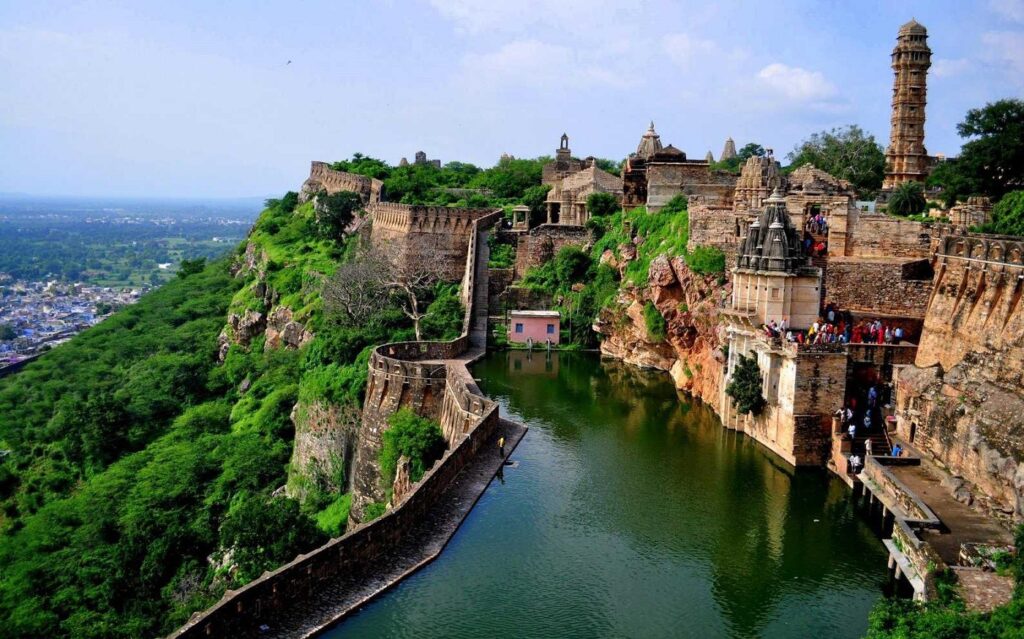
Kangra, Chittorgarh, Jaisalmer, Gwalior, the Red Fort, Agra Fort, Golconda, Daulatabad, Mehrangarh and Kumbhalgarh offer varied heritage experiences. They are not a simple oldest-to-newest ranking: many sites contain structures built and rebuilt across different periods. Choose a few that fit your route.
Combine the Red Fort and Agra Fort with a Delhi–Agra journey. A Rajasthan trip can focus on Jaipur’s wider region, Jodhpur, Jaisalmer, Chittorgarh or Kumbhalgarh with sensible travel stages. Kangra Fort can fit an extension from Dharamshala. Gwalior, Golconda and Daulatabad need their own regional planning.
Fort complexes often involve exposed paths, slopes, steps and considerable walking. Ask about the actual route if mobility or heat is a concern. Carry water, wear appropriate shoes and use a local guide where available. Check tickets, closure days and photography conditions before departure.
Allow time for courtyards, gateways, museums and the surrounding town, rather than treating the fort as a quick viewpoint. Respect conservation barriers and avoid climbing masonry. A good heritage itinerary offers fewer rushed transfers and more time to understand each place.
Group the shortlist by region before comparing hotels. Delhi’s Red Fort and Agra Fort can sit within a Delhi–Agra visit. Mehrangarh belongs to a Jodhpur stay, while Jaisalmer needs time for its own city and surrounding landscape. Chittorgarh and Kumbhalgarh can be considered within a wider Rajasthan route, but should not be added without checking the travel stages.
Kangra Fort is a useful heritage interest to discuss during a Dharamshala holiday. Gwalior, Golconda and Daulatabad are separate regional choices, so treat them as reasons for future journeys rather than additions to every North India itinerary. Choosing fewer forts makes it easier to appreciate how their settings and building histories differ.
Look at the sequence of gateways, defensive approaches and spaces inside the walls. Ask how the complex changed as its rulers, uses and military needs changed. Courtyards, residential areas and water arrangements can be as revealing as an imposing entrance. A local guide can help distinguish surviving fabric from later restoration and explain which parts of the story are uncertain.
Give a museum visit its own time where one forms part of the complex. Read the object labels rather than treating displays as a quick route to the next terrace. If travelling with children, choose a few questions to explore, such as how people entered the fort or where daily work happened. This can be more engaging than trying to memorise a long list of dates.
Ask about steps, slopes, exposed walking and the distance from the vehicle drop-off. A complex that looks compact in photographs may involve a substantial visit. Confirm which tickets, guiding and optional audio services are included, and whether separate museums require additional admission. Check the current arrangements directly for your travel dates.
Carry water where permitted, protect yourself from sun and avoid narrow ledges or closed areas for photographs. Pair a major fort with a relaxed afternoon rather than another demanding climb. For help connecting heritage stops, use our Rajasthan route-planning guide or discuss a Dharamshala cultural extension.
This is a travel shortlist of historic forts, not a verified age ranking. Sites have complex building histories, and claims about a single founding date can be misleading.
Share your dates, group size and interests with our Dharamshala-based team. We can help you shape a guided trek or private India itinerary around your pace.